
The O Malley s Part One Walter F. O Malley
From 1950 to 1998 there was one constant with the Dodgers. Ownership. Walter Francis O Malley took control of the team as it s primary stockholder and owner in 1950. Branch Rickey s contract was expiring in October of that year. He had purchased a 25% ownership of the team in 1944. Rickey and John L. Smith were also part owners as were the heirs of McKeever who had owned the team with
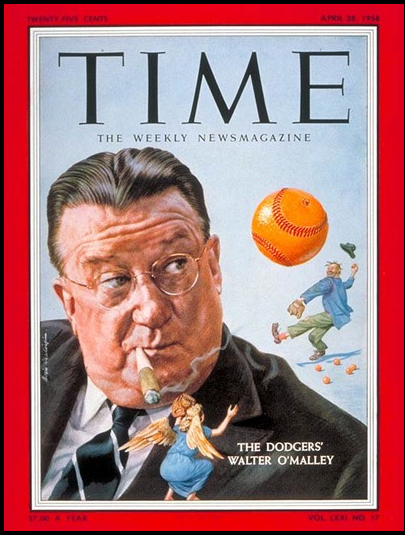
From 1950 to 1998 there was one constant with the Dodgers. Ownership. Walter Francis O’Malley took control of the team as it’s primary stockholder and owner in 1950. Branch Rickey’s contract was expiring in October of that year. He had purchased a 25% ownership of the team in 1944. Rickey and John L. Smith were also part owners as were the heirs of McKeever who had owned the team with Charles Ebbets.
So when Smith died in July of 1950, O’Malley convinced his widow to turn over control of his shares to the Brooklyn Trust Company which was controlled by O’Malley in his job as chief counsel for them. Through some complicated negotiations with Rickey, O’Malley gained controlling interest and took over the team. He immediately replaced Rickey with Buzzie Bavasi.
Walter Francis O’Malley was born on the 9th of October, 1903 in the Bronx in NY City. His father was Edwin Joseph O’Malley, and his mother was Alma Fettner.
His dad worked as a cotton goods salesman in the Bronx and later became Commissioner of Public Markets for the City of New York. O’ Malley grew up a New York Giants fan. He frequently would go to the Polo Grounds and attend games with his uncle.
O’Malley was a boy scout who eventually rose to the rank of Star Scout. He went to Jamaica High School in the Bronx and also Culver Academy in Indiana. After that he went to the University of Pennsylvania and graduated in 1926. His father gave him a cabin cruiser that slept 8 as a graduation gift.
He originally enrolled at Columbia University in New York to study law, but when his family lost their money in the crash in 29, he enrolled at Fordham University’s night school. His dad’s business was failing, and he had to help out.
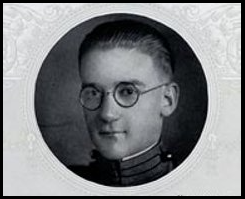
In September of 1931 he married his high school sweetheart, Katherine Hanson, who was nicknamed Kay. They had 2 children, Therese O’Malley Seidler, born in 1933 and Peter, born in 1937. Kay had been diagnosed with laryngeal cancer in 1927 and had her larynx removed. She could not speak above a whisper the rest of her life.
Walter enjoyed golf, but his main relaxation was gardening. He remodeled his family’s summer home in Amityville NY and the family relocated there in 1944. Kay’s parents lived in the house next door.
After he got his law degree in 1930, he went to work as an assistant engineer for the NYC Subway. This was during the depression so getting a job with a law firm so he could obtain his clerkship was hard as no one could afford to pay him. Using his dad’s political connections, the company he worked for got contracts with the NYC phone company and Board of Education to perform geological survey’s.
Soon he started his own Engineering company and published the Subcontractors Register with his uncle Joseph. Walter eventually concentrated on his law practice working on wills and deeds. By 1933 he was the senior partner in the Midtown Manhattan Law firm. During the depression, O’Malley represented bankrupt businesses and got rich by wisely investing in some of these companies. These included some hotels and a beer business. He was beginning to be noticed by the powers that be in Brooklyn.
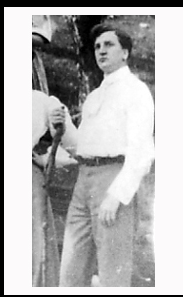
He caught the eye of the President of the Brooklyn Trust Company, George V. McLaughlin. George knew O’Malley’s dad and had attended A’s games with him when he was in Pennsylvania. He hired Walt to administer foreclosures against failing businesses for the trust company. He earned McLaughlin’s trust by being a man of all trades including bodyguard and chauffeur.
It just so happened that the trust company owned the estate of one Charles Ebbets who had died in 1925 and owned half of the Dodgers. In 1933 Walter was chosen to protect the company’s financial interests in the Dodgers. Walter was also McLaughlin’s designated driver since he drank pretty hard.
It was through this relationship that he was brought into the financial arrangements for Ebbets Field in 1940. When McPhail resigned to join the Army in 42, Walt was assigned to be the Dodgers attorney and obtained a minority interest of 25% in 1944.
He was usually at odds with Rickey as Branch was a non-drinker and Walt freely drank and loved cigars. There were philosophical differences in how the team should be run. O’Malley thought Rickey was too extravagant. He put pressure on Rickey to fire Durocher who he saw as a drain on attendance. He would also make fun of Rickey when he was at parties with his political friends.
And he was using a columnist, Jimmy Powers to spearhead his smear campaign. Powers worked for the NY Daily News. It got so bad that after the 1946 season, each player got a new Studebaker from Rickey which gave O’Malley ammunition for the press. He thought the construction of the Dodgers Florida home, Dodgertown, was extravagant. He fought the team’s beer sponsor and demanded that players return their 1947 World Series rings before they got the new ones Rickey had ordered.
He did play a role in the search for the first player to break the color barrier, but just how big of a roll is disputed by both sides. It all came to a head beginning in the summer of 1950. And eventually O’Malley bought Rickey out and took control of the team becoming majority owner and president.
As stated earlier Bavasi took over for Rickey After the takeover, the rivalry and feud became very public. O’Malley forbade the use of Rickey’s name in the office and transgressors faced a fine. When Rickey took over the Pirates O’Malley removed them from the Dodgers spring schedule.
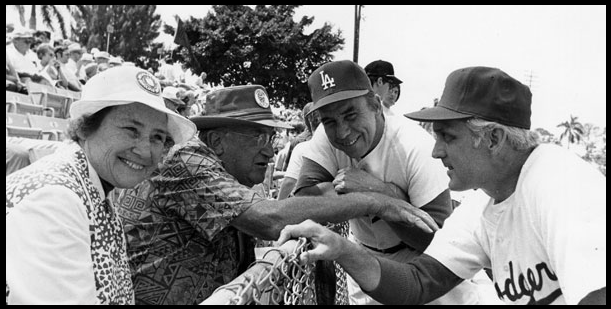
He also fought the congressman who was trying to investigate whether the reserve clause violated the federal anti-trust laws. He also tried to get General Douglas MacArthur to take the post of Commissioner of baseball.
O’Malley did not have the same respect for Jackie Robinson that Rickey did. He often referred to him as Rickey’s prima donna. Robinson in turn did not like O’Malley’s choice for manager, Walter Alston. Robbie liked to argue with umpires and Alston rarely did that. Robbie derided Alston in the press. When in 55 Alston used Hoak at 3rd for most of the exhibition season, Robinson went to the press with his complaints.
Robinson did not like Bavasi either. So his 3 seasons under Alston were very uncomfortable for him and he ended up retiring after the 1956 season, even though he had been traded to the Giants.
Walt wanted to move out of Ebbets Field into a modern facility. He had plans drawn up for the new park. Ebbets only held a little over 32,000 fans.
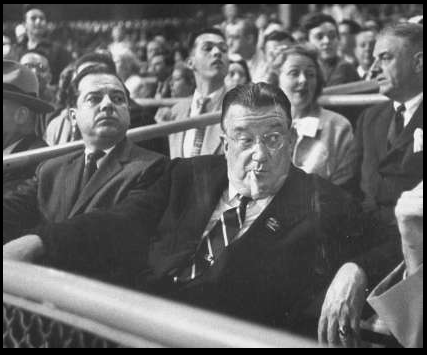
He had a couple of problems. There was an exodus of white fans from Brooklyn. Most were relocating to Long Island as the borough became less middle class. He had Koufax signed because not only was he Brooklyn born, but he was Jewish, and Brooklyn had a large Jewish community.
In order to get his new park he needed to have the blessing of Robert Moses. He wanted the park to be in Brooklyn. His vision was a domed stadium near the Long Island RR station on Brooklyn’s west end.
Moses unfortunately did not like O’Malley and derided his pro-Brooklyn and pro-Irish sentiments in the press. Moses wanted the Dodgers to move to Flushing Meadows Park, where the Mets would eventually build Shea. And although he mustered some heavy clout, Moses blocked the sale of the land.
So, O’Malley bought Wrigley’s PCL franchise, the LA Angels and Wrigley Field giving the Dodgers the rights to the territory. He took notice of the Braves success after moving from Boston to Milwaukee and having a 43,000 seat stadium, parking for 10,000 cars and an arrangement for no city or real estate taxes.
So he decided to leave Brooklyn for LA in 1957. He convinced Horace Stoneham to move the Giants to San Francisco and continue their rivalry. Stoneham had been considering moving the Giants to Minneapolis. The two teams moving to the same state allowed for opposing teams to have better scheduling than just going west to play just one team.
The meetings he arranged were against the wishes of the commissioner, Ford Frick. He met with Norris Poulson the mayor of LA, and a deal was worked out to rent the LA Coliseum for 200,000 per year plus 10% of the ticket revenue while they awaited the completion of the 56,000 seat Dodger Stadium.
The move disheartened the Fans of Brooklyn and the Giants. He was vilified by most of their fan base. Ultimately the move was needed. Moses’ refusal to allow the sale of the land needed for the new stadium was the straw that broke the camel’s back. Had he let the land be purchased, the Dodgers might never have moved, and the Angels would have been LA’s first franchise.
To this day many Dodger fans still dislike O’Malley. I know this for a fact since my best friend was born and raised in Brooklyn and he has never forgiven Walter for moving the team. He also pretty much quit following baseball when they moved.
Nothing is left in Brooklyn of course. The memories of the fans are about the only legacy in Brooklyn. Most fans embraced the Mets when they were formed.
As for what transpired during his run as President of the Dodgers, they became the league’s leader in attendance almost every season up until he retired and turned the team over to Peter in 1979. They have been hugely successful on the field. Dodger Stadium now 58 years old is as functional and glamorous as it was when it opened. O’Malley built a power house franchise and got very rich doing it.
He was considered a forward thinking business man who made the most of his opportunities. He was very respected in the baseball community. Some fans though, not too much.
His tenure was steeped in controversy more than a few times especially regarding the land deal he made with the city. The battle to get Chavez Ravine was not pretty. O’Malley’s money helped push the referendum through. He attempted to buy out the contract of Shigeo Nagashima of the Tokyo Yomiuri Giants from their owner when those things were not done. O’Malley refused to pay Carl Furillo his salary for the 1960 season after he was released due to injury, which was against the rules anyway. So Furillo sued the team, and O’Malley blacklisted him allegedly from any job in baseball.
He believed in stability and little turnover, which is evidenced by the long tenures of Alston, Lasorda, and Scully. He had immense power in the league and was instrumental in keeping Bowie Kuhn in office and letting Bavasi become President of the Padres. He also was pretty loyal to his employees but was not one to give in to demands, which explains why he let Charlie Dressen go after he had won 2 pennants in a row and demanded a 3 year deal. There were also many who thought of him as being very frugal.
His dislike for those who remained friends with Rickey can be witnessed by the fact that Red Barber, the longtime announcer quit because of that. He also felt employees should be satisfied with whatever salary they were offered, and that led to the 1966 holdout of Koufax and Drysdale.
They both eventually signed for significant raises over their 65 salaries. But Koufax retired after the 66 season. His arm just was in bad shape and he did not want to risk permanent damage. He also had Wills traded because he left the team during a tour of Japan after the 66 season.
On March 17th, St Patty’s day in 1970, Walt turned control of the team over to his son, Peter. He remained as chairman until his death in 1979.
He was a huge fan of Tommy Lasorda and sort of stage managed his career rise. His respect for Tommy was so high he gave him a tombstone as a gift that read. TOMMY LASORDA, A DODGER.
O’Malley was diagnosed with cancer and sought treatment at the Mayo Clinic in Rochester Minnesota Same place where Lou Gehrig was diagnosed with ALS. He died on the 9th of August and was buried in Holy Cross Cemetery in Culver City. Kay had died earlier in July of that year.
The Dodgers were his legacy. But there was a time when he was so hated in Brooklyn that he was routinely mentioned along with Hitler and Stalin. There were many jokes about him, one was, A Brooklyn man finds himself in a room with Hitler, Stalin and O’Malley but only has 2 bullets. What does he do? Shoot O’Malley twice was the answer.
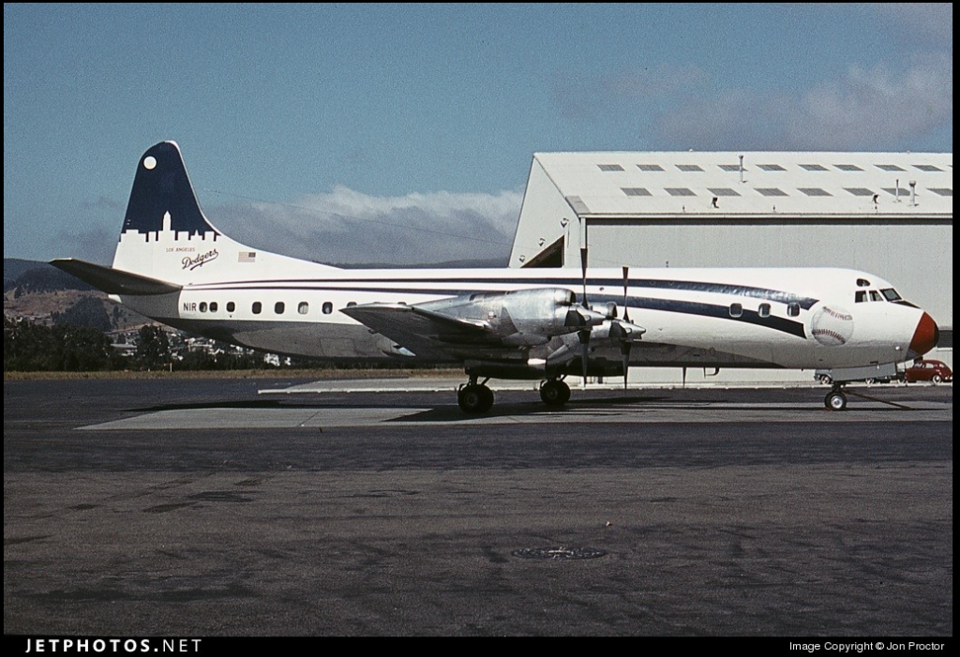
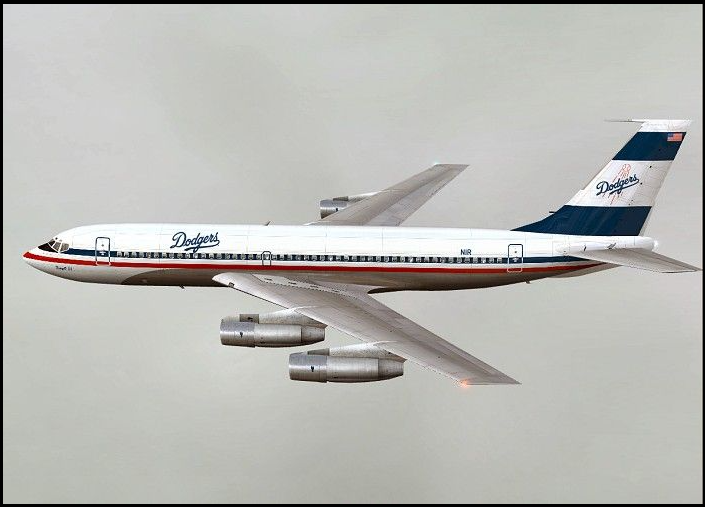
During his tenure, the Dodgers were like family. They were the first team to have their own plane, a Lockheed Electra called the Kay O. And later they had their own jet, the Kay O II.
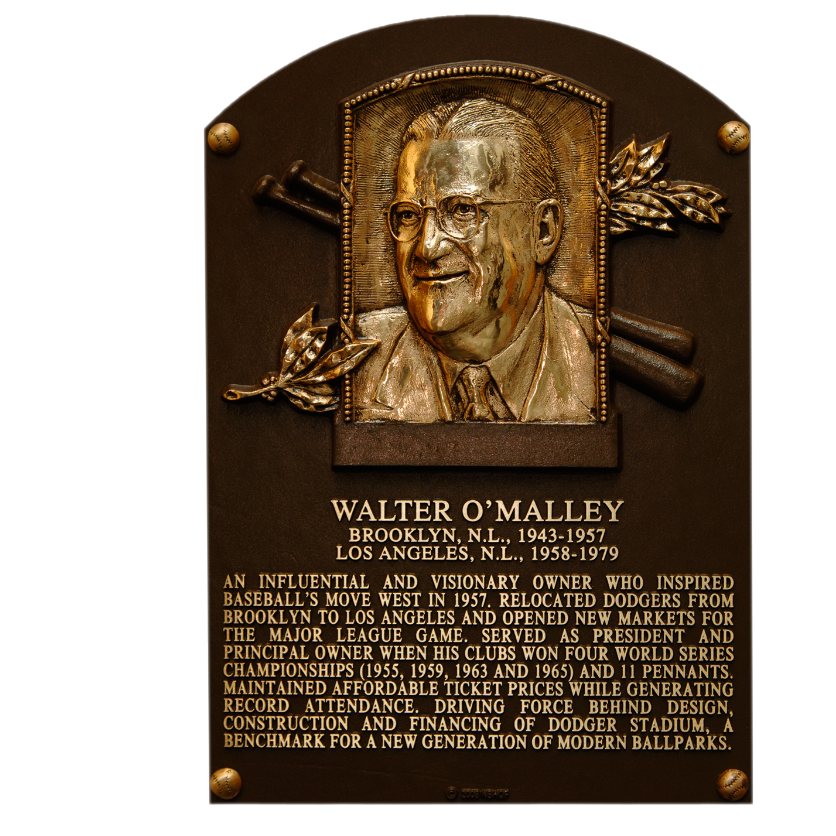
Walter was elected to the Hall of Fame in 2008. He received the minimum amount of votes necessary for election. He was elected by the Veteran’s committee. Seems even after death he was not all that popular.
More from Dodger Talk
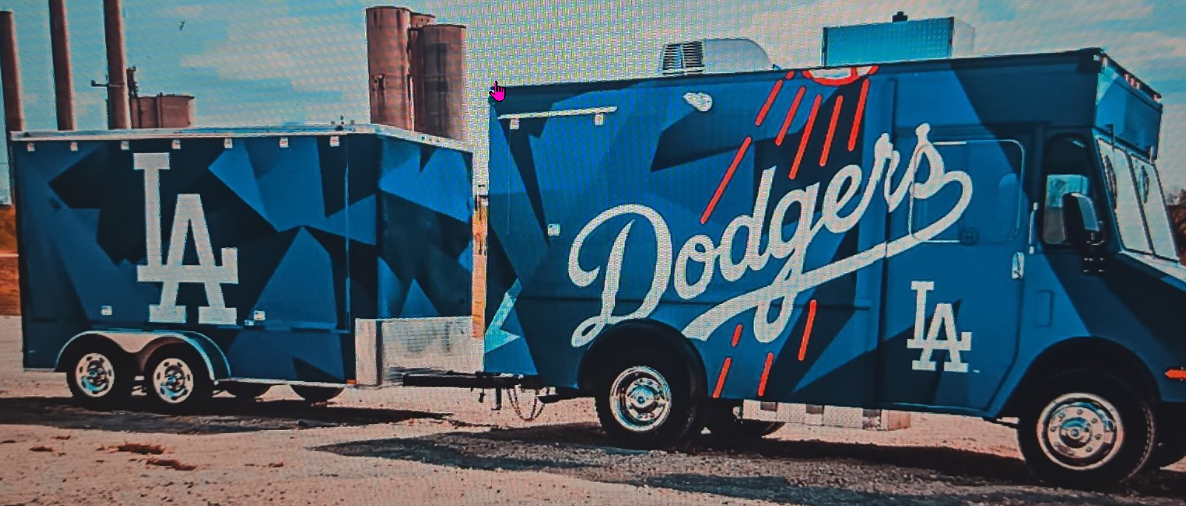
Dodgers Food Trailer
I did this interview a couple of weeks ago with Chef Mike, who runs the Dodgers Food Trailer for the Great Lakes Loons. They are there for every home and road regular season and playoff game. They prepare three meals a day for approximately 50 people (players and coaches). Since games end late most evenings, they do not prepare breakfast. Many of their hotels have a complimentary breakfast anyway. However,…
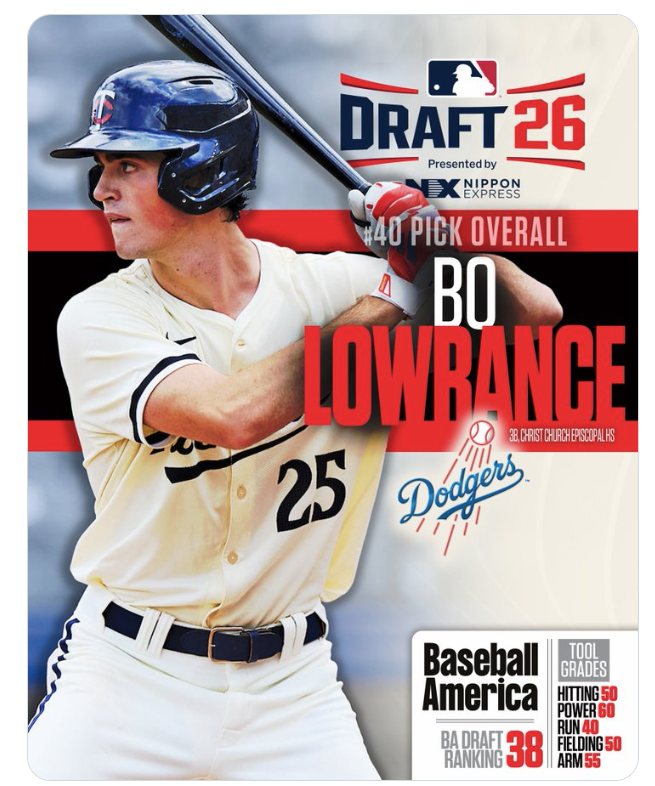
Meet LAD 2026 Draft Picks 1-12
3 picks were High School players (2 SS and 1 OF). There was a college OF, college catcher, college SS, and 10 college pitchers. Of all the talk for a need for a catcher, the only catcher the Dodgers selected was Luke Bard, son of LAD bullpen coach Josh Bard. Bard was a 4th year senior from Houston Christian University. He is not a prospect, so the Dodgers are still…
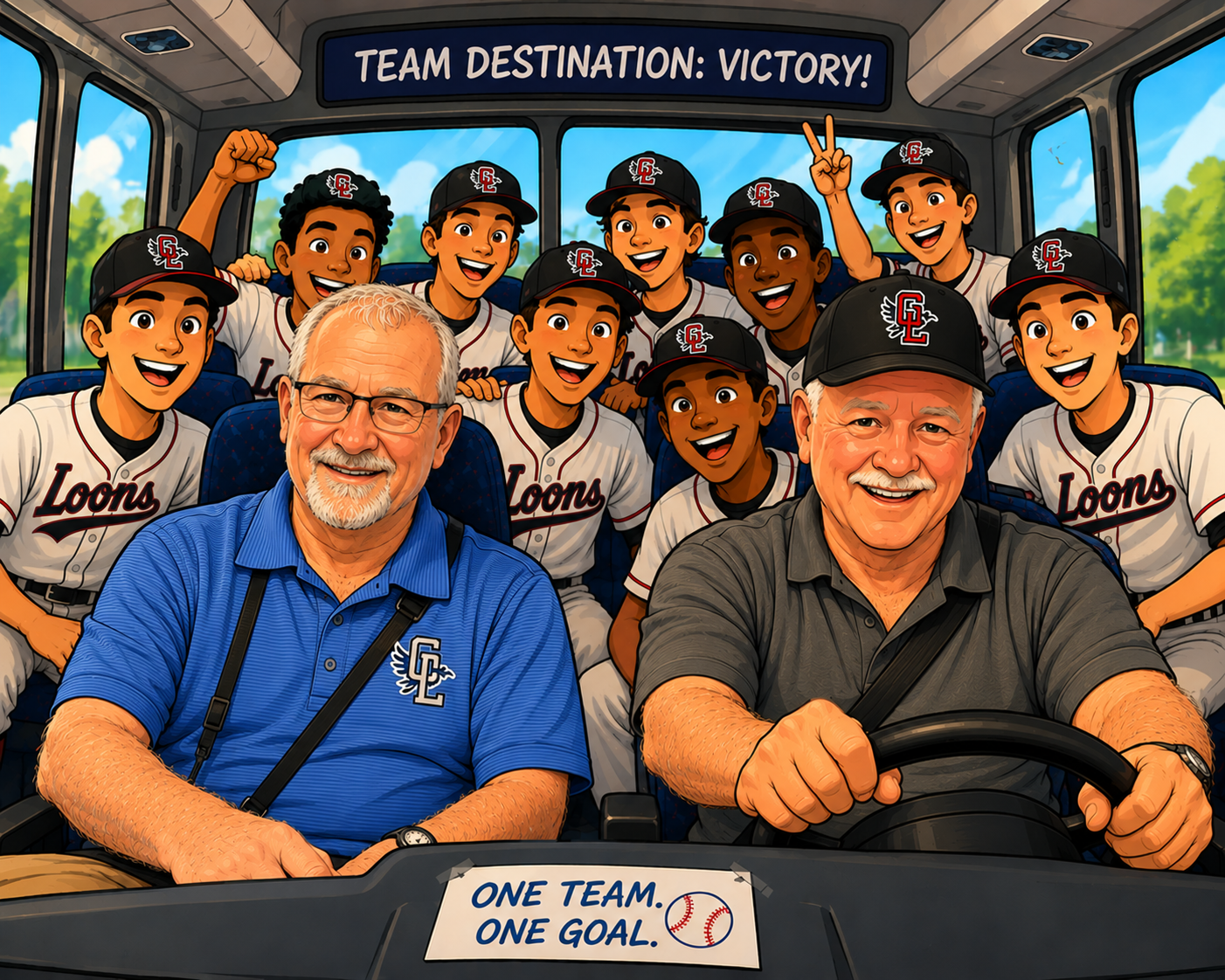
Interview with Paul Beachy – Team Bus Driver For The Great Lakes Loons (LA Dodgers Minor League Team)
It’s been a few days since I did this interview. We have evidently been working my son-in-law (the video guy) like a rented mule at US Water Systems. However, I am taking him to London with me in a few days, so maybe Watford will buy him a pint as a tip, but he’s a dang Red Sox fan, so there is that! I thought that it would be interesting…
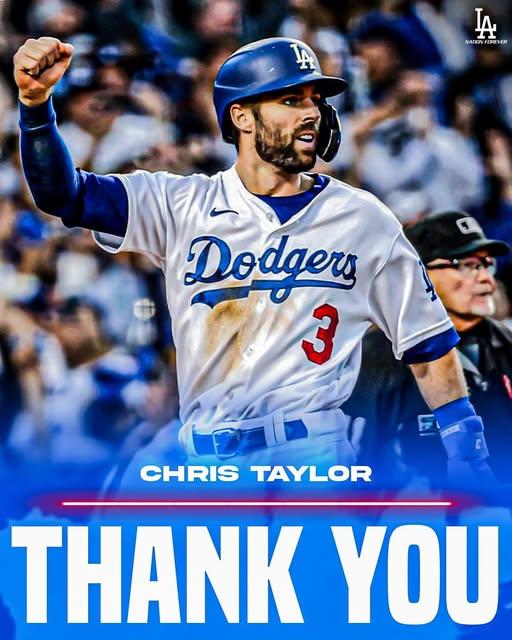
Thanks for Your Service: Chris Taylor
I was going to do this post when Chris announced he was retiring, then he changed his mind, but since the chances of him ever playing for the Dodgers again are slim and non-existent, I will go ahead with this post. He unretired, went on the IL, then decided to call it quits on May 24th. Taylor was born in Virginia Beach VA on August 29th, 1990. He attended Great…
Discussion (69)
Disagree, not disagreeable
Taylor signed by the Royals. Michael Taylor. Things beginning to loosen up a little.
Thank you for updating us on the Minor League Teams, Ptown, a subject I have been interested in wishing that they get to play next year. Good news for the teams, especially Ogden. Hope it works out for them. Keep us posted please.
Additional Minor League/draft news posted today.
MLB Draft League to launch with five teams
by Kevin Reichard on November 30, 2020 https://ballparkdigest.com/2020/11/30/mlb-draft-league-to-launch-with-five-teams/
After weeks of pitched negotiations and wooing, the new summer-collegiate MLB Draft League will launch with just five teams, with a potential sixth team to be announced in coming weeks.
The founding members of the MLB Draft League will be the Mahoning Valley Scrappers, the State College Spikes, the West Virginia Black Bears, the Williamsport Crosscutters and the Trenton Thunder. All but the Thunder were part of the Short Season A NY-Penn League; Trenton had been the Yankees affiliate in the Class AA Eastern League.
The plan is for the MLB Draft League to be focused on top prospects eligible to be drafted by MLB teams that summer. With the 2021 MLB Draft moved back to July and being held as part of All-Star Week, draft-eligible players will have an opportunity to showcase their abilities and gain exposure to MLB clubs and fans next summer, according to an MLB press release. Also part of the MLB Draft League: and educational programming designed to prepare players for careers as professional athletes.
Great news for that city. I love the mascot.
News about the Ogden Raptors
Pioneer League to Live on as Pro Indy League
by Kevin Reichard on November 30, 2020 https://ballparkdigest.com/2020/11/30/pioneer-league-to-live-on-as-pro-indy-league/
Great news for baseball fans in Idaho, Montana, Utah and Colorado: the Pioneer League will transition from a Rookie-level affiliated league to a pro independent league with unique ties to Major League Baseball.
Seven of the eight teams of the Pioneer League–the Billings Mustangs, Grand Junction Rockies, Great Falls Voyagers, Idaho Falls Chukars, Missoula PaddleHeads, Ogden Raptors, Rocky Mountain Vibes–will keep their home ballparks and branding, while the Northern Colorado Owlz are moving to Windsor, CO from Orem, UT.
The deal struck between league owners and MLB is a unique one among MLB Partner Leagues, which includes the Atlantic League, Frontier League and American Association. It calls for MLB to provide initial funding for the league’s operating expenses, as well as install scouting technology in Pioneer League ballparks to provide MLB teams with first-class scouting information on Pioneer League players. The agreement will also include a procedure for player transfers to MLB teams, with the Pioneer League focusing on undrafted prospects that in the past would have been later-round picks in the 21st-40th rounds, as identified by MLB. (In other words, the same kind of players that would have ended up in the Pioneer League as an affiliated league.) The Leagues also will explore joint marketing, ticketing and fan engagement opportunities.
“Over the past year, we have worked closely with Pioneer League owners and elected officials to ensure the continued success of baseball in the Mountain West,” said Morgan Sword, MLB’s Executive Vice President, Baseball Economics & Operations, in a press statement. “We’re excited to support this new initiative and look forward to Pioneer League baseball returning in 2021.”
I will go to the web and listen to it if it is there or I can find it. Or maybe Mark can post it. Thank you hodges54. Great lyrics.
I always look forward to your articles Bear and this one was very good as usual. You and I grew up in the same era. I’m 3 years older than you. You mentioned that you really enjoy baseball history and many of your articles are about “the Boys of summer” days which I know we both love.
Your article on the O’Malleys is great and I’m looking forward to Part 2. I have a little trivia comment for you. You mentioned in the article that Walter thought that Dodgertown was too extravagant and he argued with the beer sponsors. I think I read that Rickey did not allow beer sponsors because of his religious beliefs. I remember that Schaefer Beer was their sponsor during the 50’s but I don’t think they started sponsoring until Rickey left in 1950. I still remember the Schaefer jingle….lol.
.
Absolutely GREAT stuff Bear. Had some knowledge about O’Malley and Horace Stoneham deal to move west and his issues with Moses, but not much else. Really informative. The dominate wheeler-dealer tycoon types of the past were very interesting characters.
Interesting article today in the Athletic on Cory Seager.
Triple kudos to you Bear for that terrific article on WalterO’Malley. Other than me knowing he was an owner of the Dodgers, did not know that much about him other than people in New York hating him for leaving for the Wild West. Interesting information about Robert Moses. Thank you, very good stuff.
Josh Byrnes formally interviewed by Phillies for GM position,
Let me add my compliments to all the others Bear. An excellent post and an interesting read.
O’Malley was a very smart bully who didn’t care if people liked him or not. He usually got what he wanted and one time he didn’t, we got our Dodgers out here. His son, Peter, is a much different personality. Much more kind and caring and definitely not a bully. I wonder what Walter thought of Peter. Probably wasn’t happy that he wasn’t a stronger personality like himself.
Great article Bear. Whatever you think of O’Malley he created quite a franchise! Is Peter still involved with the Padres?
I went to many a ball game at Ebbets Field and will remember the great times I had there. When they left Brooklyn I was shocked and saddened when they left for California. Not once did I blame Walter O’Malley for the move. He wanted a new stadium to be built in BROOKLYN but instead Robert Moses wanted it built in Flushing(Queens County).
It was Robert Moses that I blamed and cursed and still do. He not only lost the Dodgers but the Giants too. Many Dodger fans became Mets fans but I NEVER DID AND NEVER WILL.
Great piece, Bear. I recently got this book and intend to read it soon:
Good article in The Athletic on Corey Seager:
Open on theathletic.comhttps://theathletic.com/2225968/2020/11/30/corey-seager-dodgers-future/?source=dailyemailGoldman Sachs economists expected half of the population of the U.S. and Canada likely to be vaccinated in April.
Flashbacks of the movie 42 with of course more depth…
A few questions:
Was this the beginning of the end of family owned teams..
Is it true about the NY Giant and Brooklyn Dodger’s fear of the PCL and it’s popularity???
That jet is bad ass.
Was O’Malley a business genius or an SOB? Perhaps both! Admire or hate him, he helped to make the Dodgers what they are today.
As usual, great post, Bear! Very informative. Never knew how he got rid of Branch Ricky, or the clash with Robert Moses.