
THE DODGERS ARE OLD, SLOW, EXPENSIVE, AND IN TROUBLE. OTHER THAN THAT, EVERYTHING IS FINE!
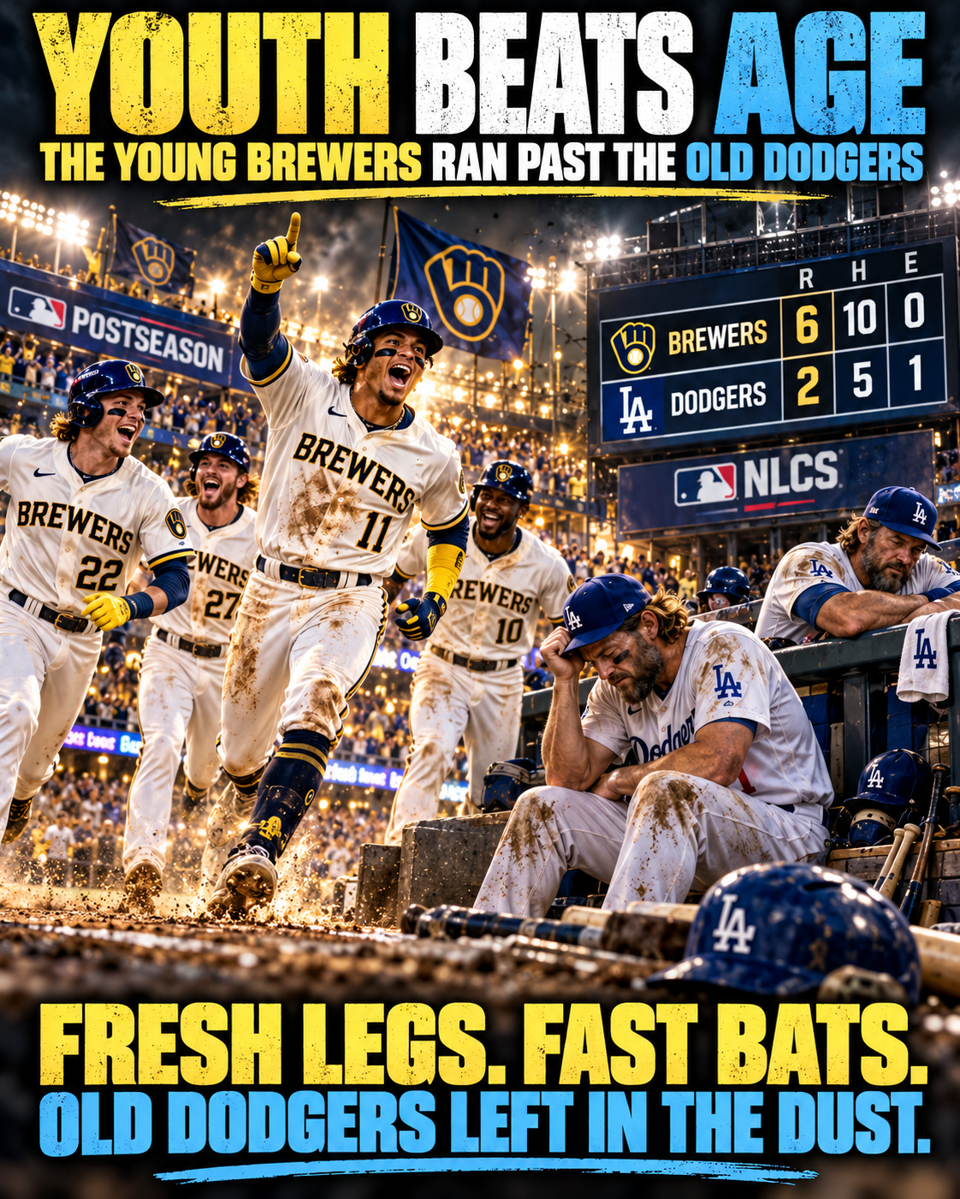
The Brewers didn't have the Dodgers' money, their collection of MVPs, or their seemingly unlimited financial resources. What they did have was younger legs, energy, athleticism, and players who looked like they genuinely enjoyed playing baseball.
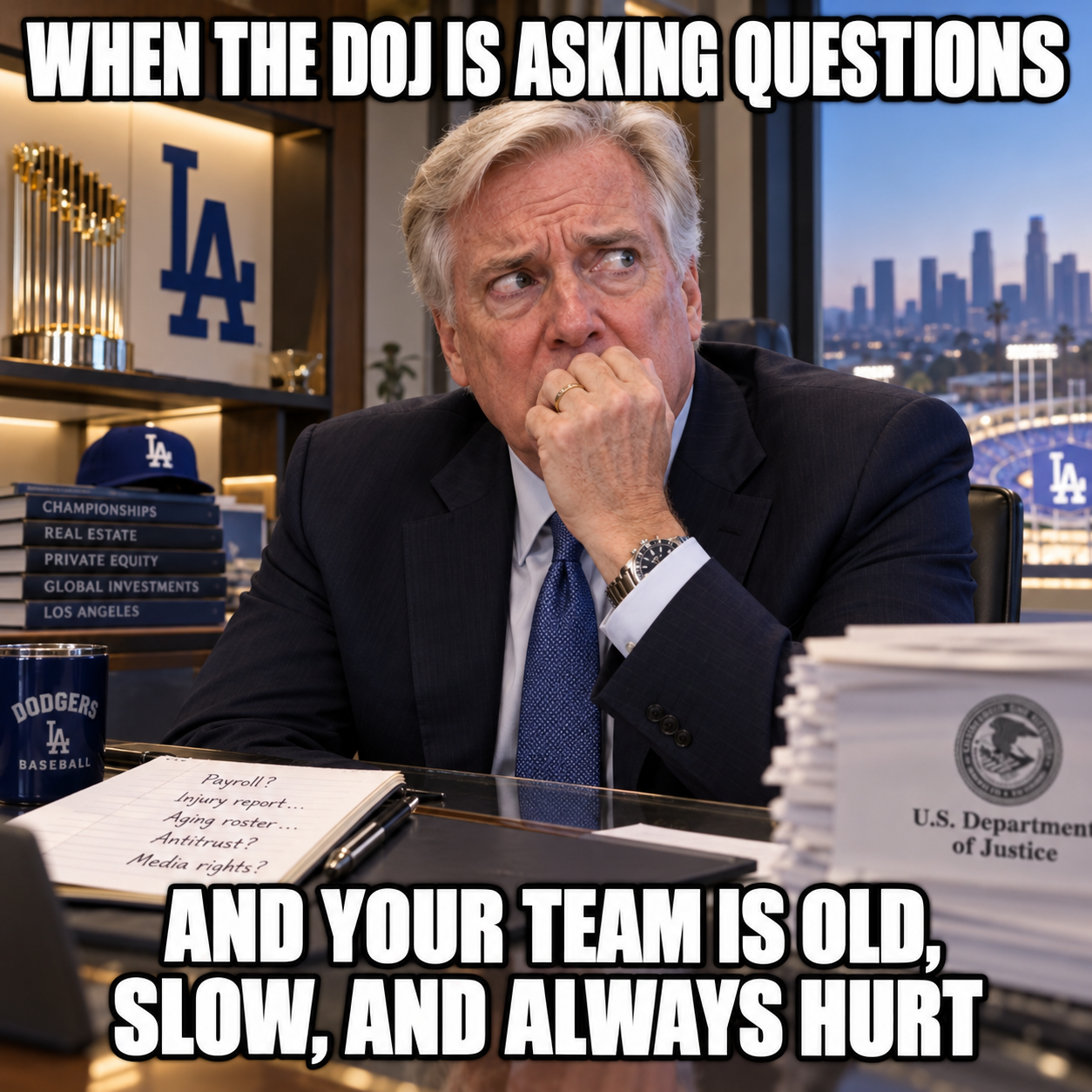
The Los Angeles Dodgers have won three World Series championships since 2020, including back-to-back titles in 2024 and 2025. They have spent billions assembling a roster loaded with superstars, future Hall of Famers, and enough talent to make most general managers weep with envy.
And now?
They just got swept by the Milwaukee Brewers in the NLCS.
Not beaten. Not narrowly edged out. SWEPT!
The Brewers didn't have the Dodgers' money, their collection of MVPs, or their seemingly unlimited financial resources. What they did have was younger legs, energy, athleticism, and players who looked like they genuinely enjoyed playing baseball.
The Dodgers had an impressive collection of résumés.
Unfortunately, résumés don't hit fastballs, steal bases, or chase down balls in the gap.
Let's examine the growing list of problems confronting the organization.
1. THE OWNER HAS PROBLEMS BIGGER THAN BASEBALL
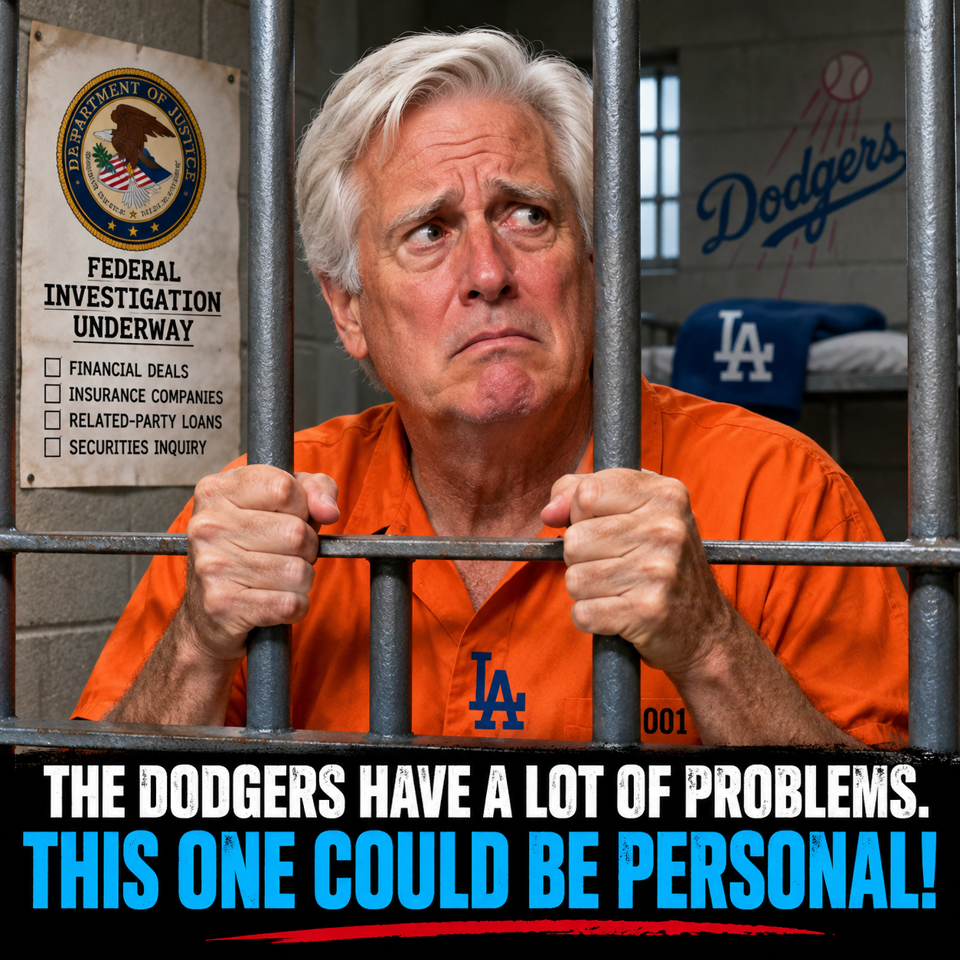
Dodgers principal owner Mark Walter has built a financial empire that helped transform the Dodgers into baseball's most formidable spending machine.
Now, that empire is attracting attention from federal investigators.
According to reporting from Bloomberg and the Los Angeles Times, federal prosecutors and securities regulators have been investigating financial transactions involving insurance companies connected to Walter and Guggenheim Partners.
The investigations have included questions surrounding billions of dollars in related-party loans, financial disclosures, and transactions involving Walter's business interests.
Let me be clear: Walter has not been charged with a crime, and an investigation is not proof of wrongdoing.
But this is hardly the sort of distraction an organization wants while facing potentially enormous changes in Major League Baseball's economic structure.
What happens if federal scrutiny creates pressure on Walter's businesses? What happens if MLB moves toward a salary cap? What happens if the Dodgers' financial advantage becomes less significant?
The Dodgers have built a championship machine fueled by extraordinary financial resources.
What happens if someone starts turning down the fuel supply?
2. THE DODGERS ARE OLD. REALLY OLD.
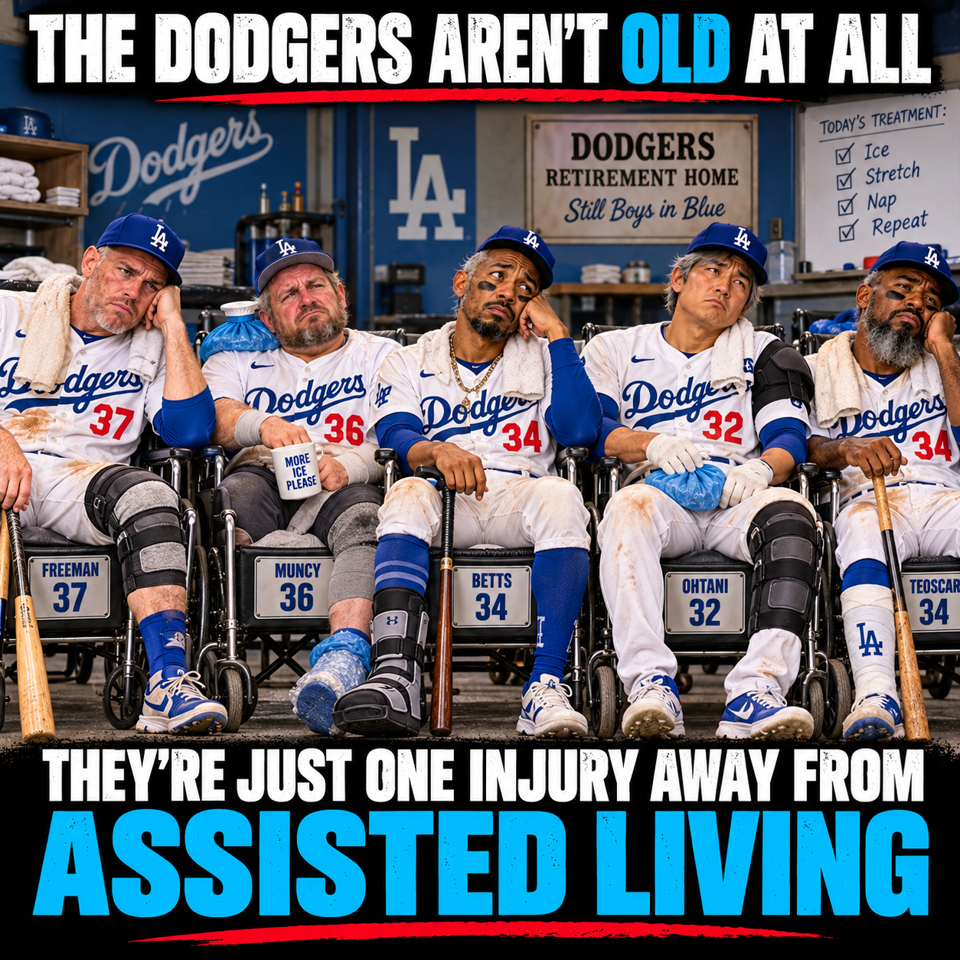
Father Time remains undefeated.
Freddie Freeman is 37. Max Muncy is 36. Mookie Betts just turned 34. Shohei Ohtani is 32. Teoscar Hernández is 34.
These are remarkable players, but nobody gets younger.
The 2026 Dodgers had the oldest lineup in baseball, and what we witnessed in October should concern anyone paying attention.
The Milwaukee Brewers looked quicker, more energetic, more aggressive, and more athletic.
The Dodgers looked like a collection of former MVPs waiting for someone else to do something spectacular.
Baseball is changing. Athleticism matters. Defensive range matters. Speed matters. Taking the extra base matters.
The Dodgers increasingly depend on home runs and walks, and when the home runs disappear, so does the offense.
You cannot continue assembling a lineup of 35-year-old stars and expect them to perform like they're 27.
And you certainly cannot expect all of them to age gracefully at the same time.
That's not a strategy.
That's wishful thinking with a $300 million price tag.
3. THE PITCHING STAFF IS A MEDICAL EXPERIMENT
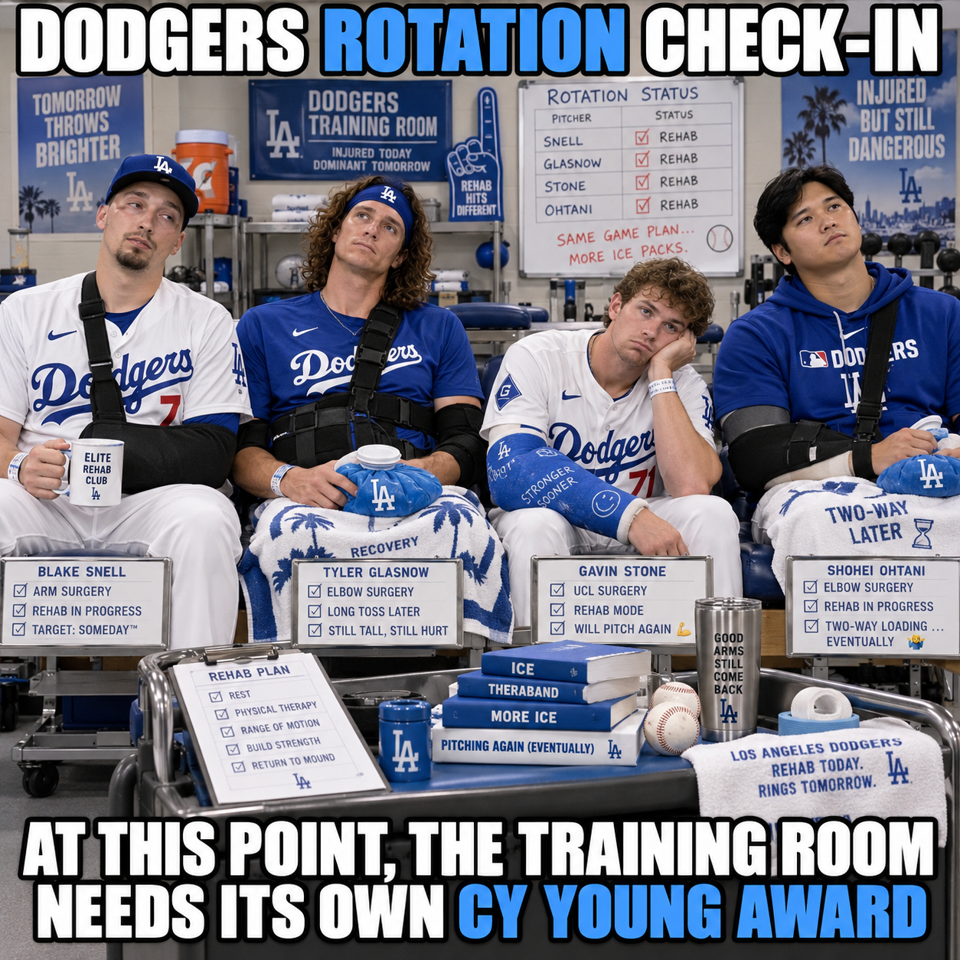
The Dodgers have collected pitchers with extraordinary arms, tremendous talent, and medical histories that would make an orthopedic surgeon wealthy.
Blake Snell, Tyler Glasnow, Shohei Ohtani, and other members of the pitching staff have dealt with significant injuries.
The problem isn't that these pitchers lack ability.
The problem is availability.
A pitcher who can throw 98 MPH and dominate for six innings is wonderful.
A pitcher who can only do it intermittently because he spends significant time recovering from injuries is considerably less wonderful.
At some point, Andrew Friedman needs to ask whether the organization's approach to acquiring, developing, and managing pitching talent needs reevaluation.
Are the Dodgers maximizing performance at the expense of durability?
Are they investing too heavily in pitchers with established injury histories?
Is their medical and training operation doing everything possible to protect these enormous investments?
Injuries are part of baseball, and the Dodgers are hardly the only organization dealing with them.
But when the same organizational problem returns year after year, it deserves more than another explanation about bad luck.
The best ability is availability.
And the Dodgers haven't always purchased enough of it.
4. THE OFFENSE HAS BECOME TOO PREDICTABLE
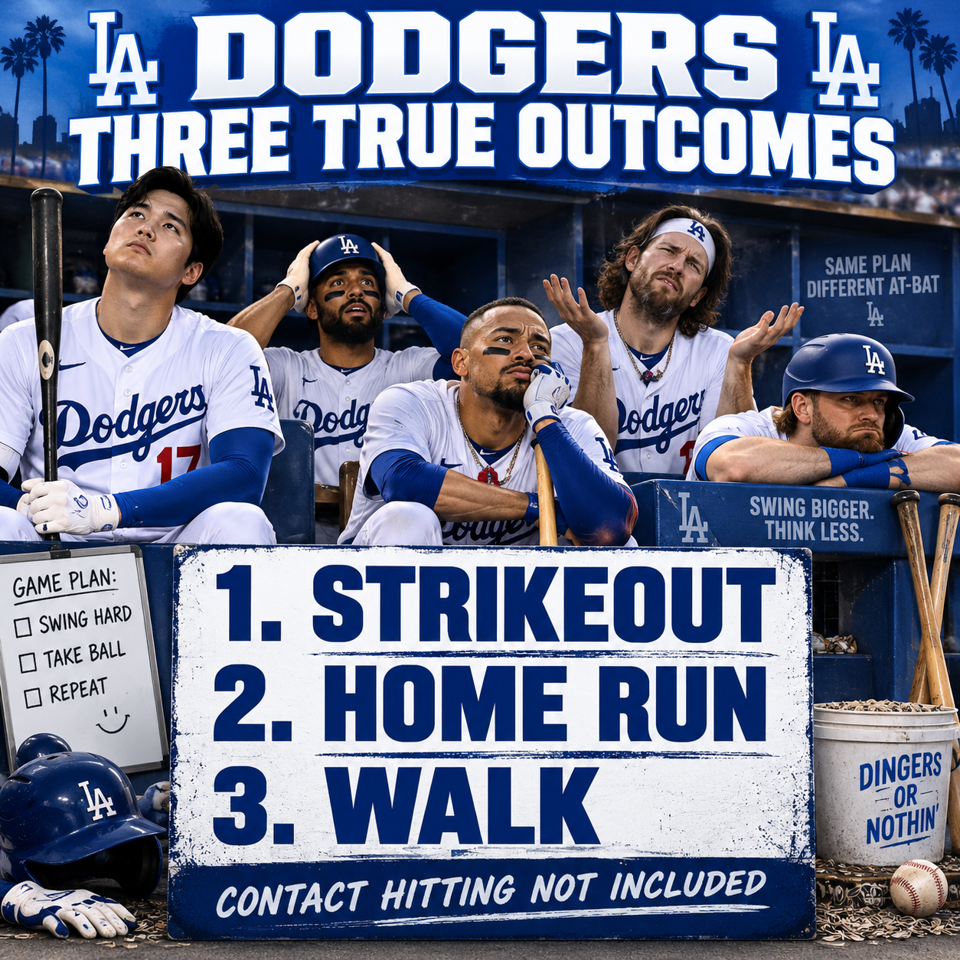
Walk. Strikeout. Home run.
Rinse and repeat.
When the Dodgers are hitting home runs, they're nearly unstoppable.
When they're not, they can become painfully ordinary.
Against elite postseason pitching, an offense needs options.
It needs hitters who can adjust, put the ball in play, move runners, use the opposite field, and manufacture runs without waiting for a 430-foot blast.
The Dodgers too often seem determined to hit a five-run home run with nobody on base.
The great teams can beat you in multiple ways.
The 2026 Dodgers increasingly seemed to have one preferred method.
And the Brewers figured out how to neutralize it.
5. WHERE IS THE SPEED?
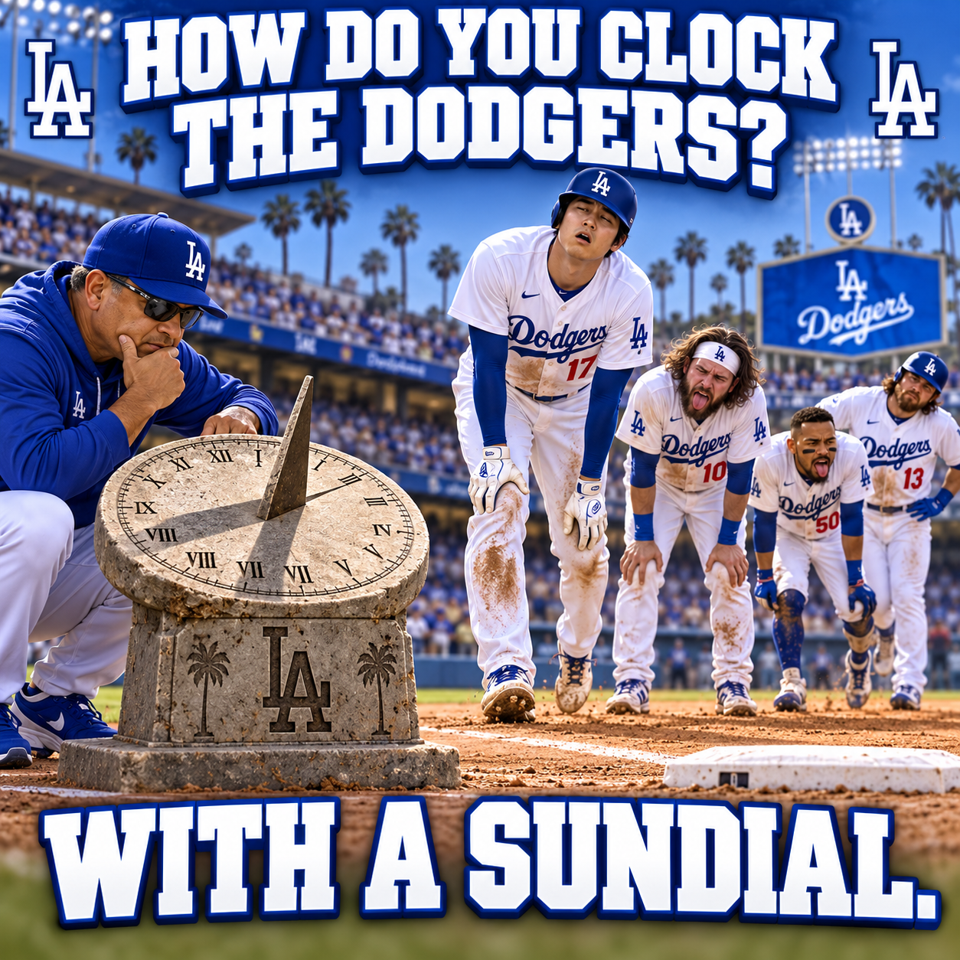
Watching the Brewers run the bases compared with watching the Dodgers run the bases was an educational experience.
One team treated 90 feet as an opportunity.
The other occasionally treated it as a considerable inconvenience.
The Dodgers need more players who can steal bases, pressure defenses, take the extra base, and turn singles into doubles through aggressive baserunning.
Speed also translates into defensive range.
The difference between catching a ball in the gap and watching it roll to the wall can decide a postseason game.
Aging stars may retain their hitting ability long after they begin losing mobility.
That's precisely why athleticism must become a greater priority in roster construction.
The Dodgers don't need nine track stars.
But a few players who don't require a calendar to go from first to third would be helpful.
6. THE FARM SYSTEM CANNOT REMAIN A SHOWROOM
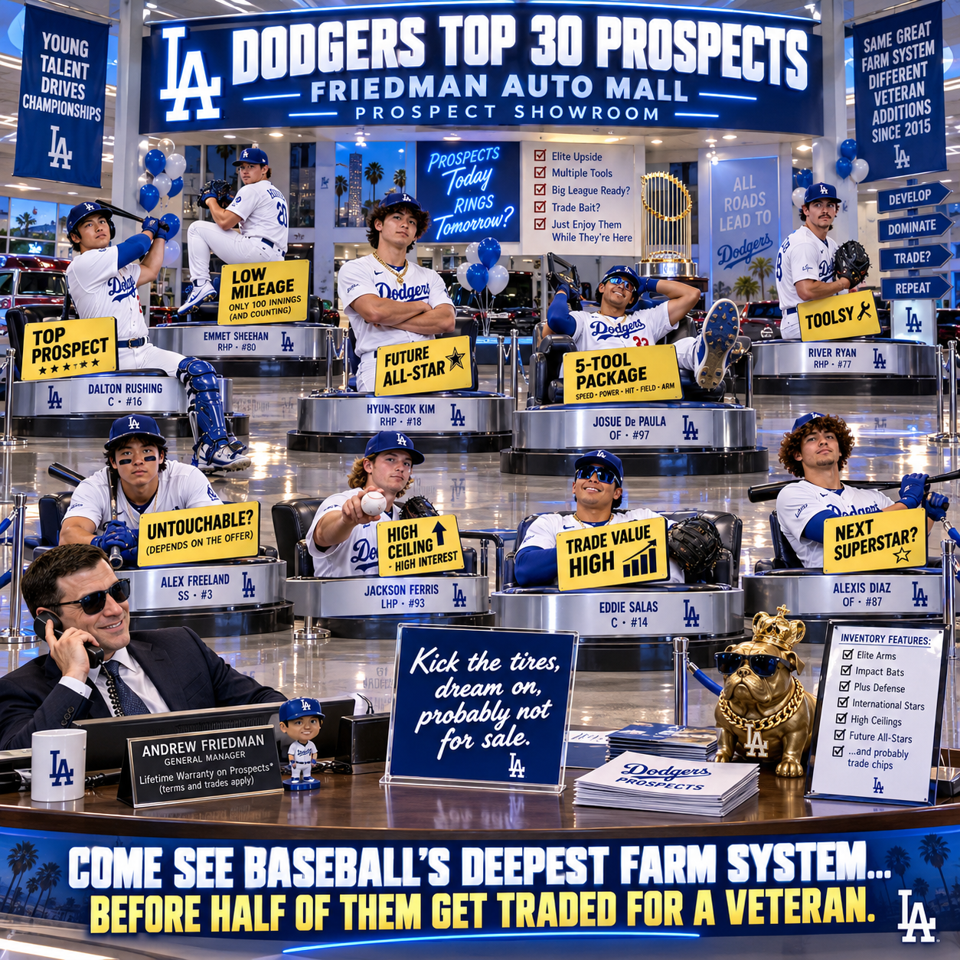
The Dodgers have one of baseball's most impressive player development systems.
And they have some truly exciting young players.
Josue De Paula, Eduardo Quintero, Alex Freeland, and other young talents represent something the major league roster desperately needs.
Youth. Hunger. Athleticism. Energy.
Yet the organization has frequently preferred established veterans and expensive acquisitions over opportunities for emerging players.
There is a price for that approach.
Young players need opportunities to develop, make mistakes, and establish themselves.
A prospect cannot help the Dodgers if he is permanently blocked by an expensive veteran whose best seasons occurred three years ago.
And continually trading talented young players for established stars can eventually weaken the foundation of the organization.
The Dodgers need to become younger without becoming worse.
That's Andrew Friedman's next great challenge.
7. THE FINANCIAL MODEL MAY BE HEADING FOR A COLLISION
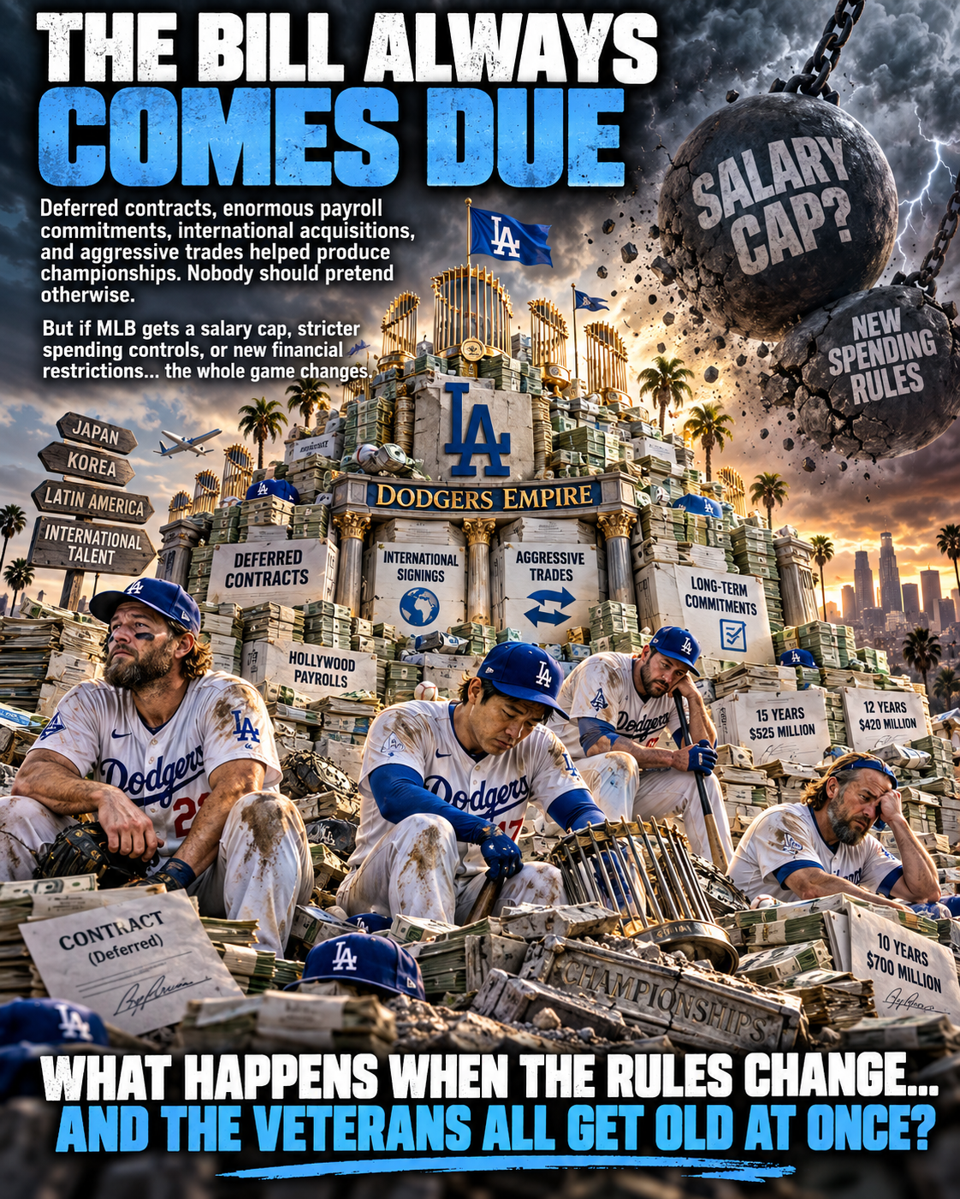
The Dodgers have used their financial muscle brilliantly.
Deferred contracts, enormous payroll commitments, international acquisitions, and aggressive trades helped produce championships.
Nobody should pretend otherwise.
But Major League Baseball could face significant economic changes as labor negotiations approach.
A salary cap, stricter spending controls, or new financial restrictions could alter the competitive landscape dramatically.
The Dodgers have built a roster in which expensive veterans occupy numerous positions.
What happens if the economic rules change?
What happens when multiple veterans decline simultaneously?
What happens when the farm system is required to replace several stars instead of one?
The Dodgers cannot assume that every problem will be solved by writing another nine-figure check.
Eventually, roster construction must involve something beyond acquiring the most expensive available player.
8. THE POSTSEASON EXPOSED THE GAP BETWEEN TALENT AND PERFORMANCE
Nobody can deny the Dodgers' talent.
But talent isn't the same as performance.
The Brewers proved that.
They played with energy, executed fundamentals, and took advantage of opportunities.
The Dodgers looked like a team accustomed to winning because they possessed superior individual talent.
When that talent didn't produce, there wasn't much of a Plan B.
And let's not blame everything on Dave Roberts.
Should Doc have told the pitchers to pitch better? Absolutely!
Should he have instructed hitters to stop making outs? Brilliant idea!
Perhaps he should have reminded the fielders that catching the ball is preferable to watching it land.
What an incompetent manager!
Seriously, Roberts deserves scrutiny for his decisions, as every manager does. But the larger problems involve roster construction, health, athleticism, and performance.
Managers cannot manufacture healthy pitching arms or restore the foot speed of aging veterans.
Those are organizational problems.
9. THE DODGERS NEED MORE THAN A FEW COSMETIC CHANGES
It's tempting to believe that one major free-agent acquisition will solve everything.
Sign another superstar!
Trade for another ace!
Add another $300 million contract!
That approach has worked before.
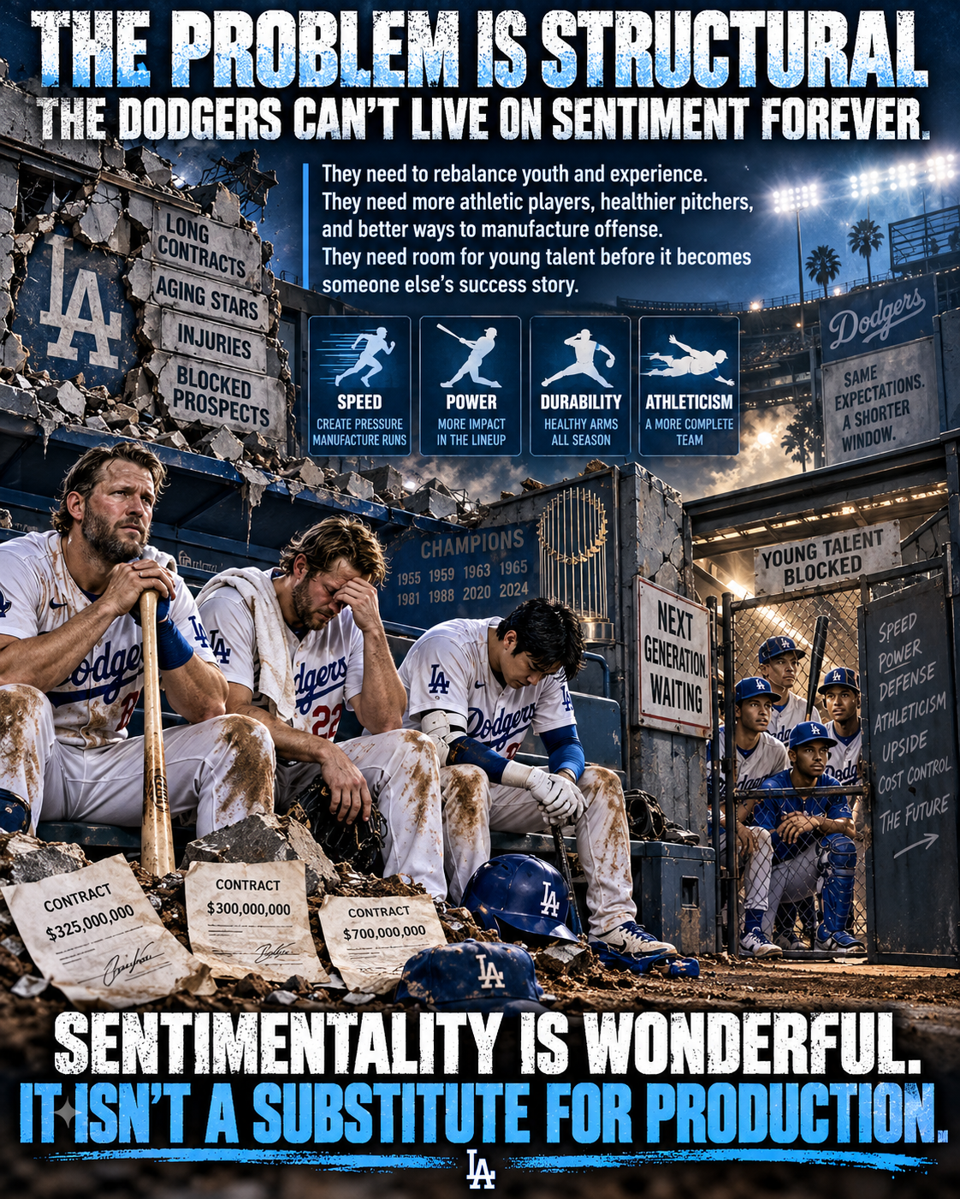
But the Dodgers' problems are becoming structural.
They need to rethink how they balance youth and experience, power and speed, talent and durability.
They need more athletic players, healthier pitchers, and better ways to manufacture offense.
They need to find room for young talent before that talent becomes someone else's success story.
And they need to consider whether keeping every aging superstar until the end of his contract is necessarily the best way to build the next championship team.
Sentimentality is wonderful.
It just isn't a substitute for production.
10. ANDREW FRIEDMAN'S BIGGEST CHALLENGE MAY BE AHEAD
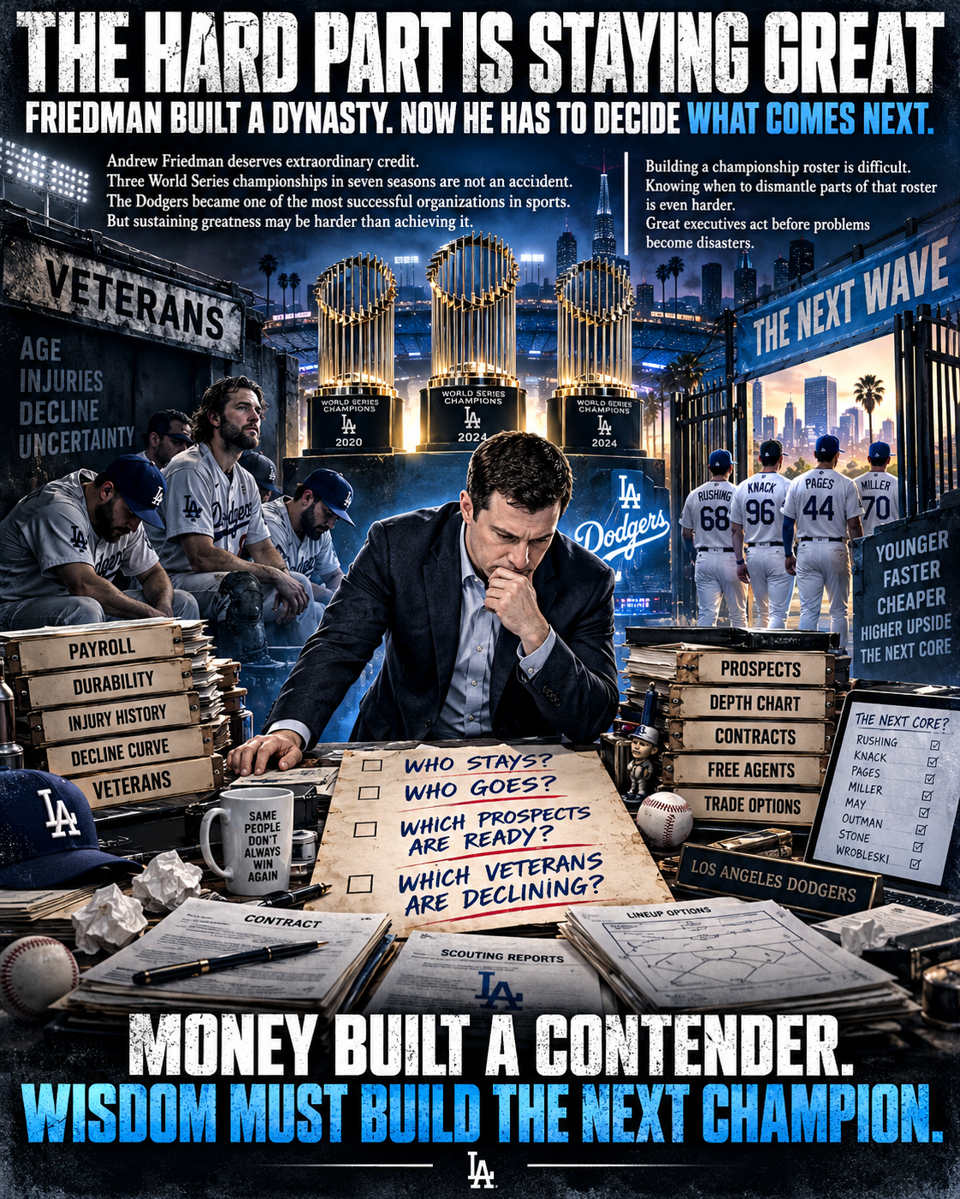
Andrew Friedman deserves extraordinary credit.
Three World Series championships in seven seasons are not an accident.
The Dodgers have become one of the most successful organizations in professional sports.
But the challenge of sustaining greatness may prove more difficult than achieving it.
Building a championship roster is difficult.
Knowing when to dismantle parts of that roster is even harder.
Great executives recognize problems before those problems become disasters.
Friedman now faces questions that cannot necessarily be answered with money.
Who stays?
Who goes?
Which prospects are ready?
Which veterans are declining?
Which pitchers can actually remain healthy?
And which expensive contracts are going to become obstacles to rebuilding the next great Dodgers team?
These are not small decisions.
They will shape the future of the franchise.
THE BOTTOM LINE
The Dodgers are not a poverty franchise.
They are not devoid of talent.
They are not destined to finish last.
They won 100 games in 2026, for crying out loud!
But that doesn't mean everything is fine.
The ownership situation brings financial uncertainty. The roster is aging. The pitching staff has recurring health problems. The offense is too dependent on power. The team lacks sufficient speed, and the window for some of its greatest stars is narrowing.
The Dodgers need changes.
Possibly BIG changes.
But before everyone starts demanding that Friedman fire Roberts, trade half the roster, and ship Mookie Betts to a retirement community, remember something.
This organization has won three championships since 2020.
That's not pathetic.
That's remarkable.
What's potentially pathetic is pretending that yesterday's championship roster automatically guarantees tomorrow's championship.
The Brewers didn't beat the Dodgers' history.
They beat the Dodgers' current roster.
And if the Dodgers want to return to the World Series in 2027, they need to start building a team designed to win in 2027, not one built to celebrate what happened in 2024 and 2025.
The future isn't about collecting more Hall of Famers.
It's about finding the next generation of them.
Otherwise, the Dodgers may soon have the most expensive retirement community in Major League Baseball.
And the residents won't even get an October parade.
What say you, Dodger fans? Is this roster in need of minor repairs, a major renovation, or a complete demolition?
Discussion (3)
Disagree, not disagreeable
Good excuse to get leaner, younger, faster.
Young players need opportunities to develop, make mistakes, and establish themselves.
The Dodgers have been to the post season for 14 straight years. The problem with always being that competitive is it minimizes the ability to develop players at the MLB level. Comparatively, the Brewers have also done a masterful job of also being relevant. 2020 4th. Lost WC 2021. 1st. Lost NLDS 2022. 2nd Missed Playoffs 2023. 1st. Lost WC 2024. 1st. Lost WC 2025. 1st. Lost NLCS 2026. 1st. Going to WS
Given the number of complaints Dodger fans have about the team, how many would rather be the Brewers? As good as the Brewers are this year, will they continue to play at that level for the next 7 years?
Bowden recently floated the following trade idea on the podcast 'GM Territory':
Dodgers receive: OF James Wood, SS CJ Abrams Washington Nationals receive: C Dalton Rushing, P Emmet Sheehan, All-Star starter Justin Wrobleski, and top prospect Josue De Paula
Who says yes? I don’t.