
Some bad, some good: trades that did not work and some that did
Trades, good and bad, have been part of baseball's fabric for as long as any of us can remember. Over the years, the Dodgers have made some good ones, and some that not only invite criticism, but can easily start some arguments. Why to trades happen? Several reasons, all valid. Some have been what experts say are pure baseball trades where two players of equal value are traded for each other and both teams benefit. Some are made to fill holes left by injury, such as the Dodgers trading for Manny Machado in July of 2018 after losing Corey Seager for the year, and none of his replacements performing all that well.
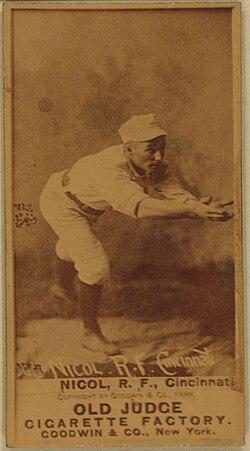
I thought it would be interesting to find out when the first ever trade was made in professional baseball. The first ever trade between professional teams was made in 1886 between the Cincinnati Red Stockings and the Browns of St. Louis. Both teams were members of the American Association. The Reds as they are now called, traded rookie catcher, Jack Boyle for OF Hugh Nicol. How did that work out? Boyle would play for four teams in a 13-year career that ended in 1898, just not very well for the Browns. Nicol, a diminutive 5'4", hit just .215, but he set a then MLB record for stolen bases with 138, which was over a third of his career total of 386. He retired in 1890 after the Reds first year in the NL.
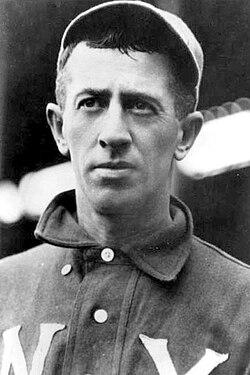
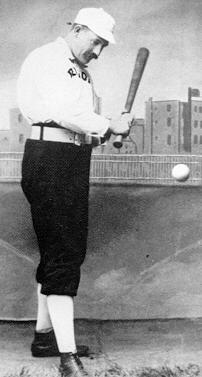
Brooklyn joined the NL in 1890. Their first ever trade was made in 1893. They sent Billy Joyce who played 3 positions to the Senators for Danny Richardson, who also played 3 positions. The first time they made a trade that included players you might recognize? January 1894, they traded two future Hall of Famers, Wee Willie Keeler and Dan Brouthers, to the Baltimore Orioles, who were in the NL at the time, for Billy Shindle and George Treadway. Who? Bad trade!
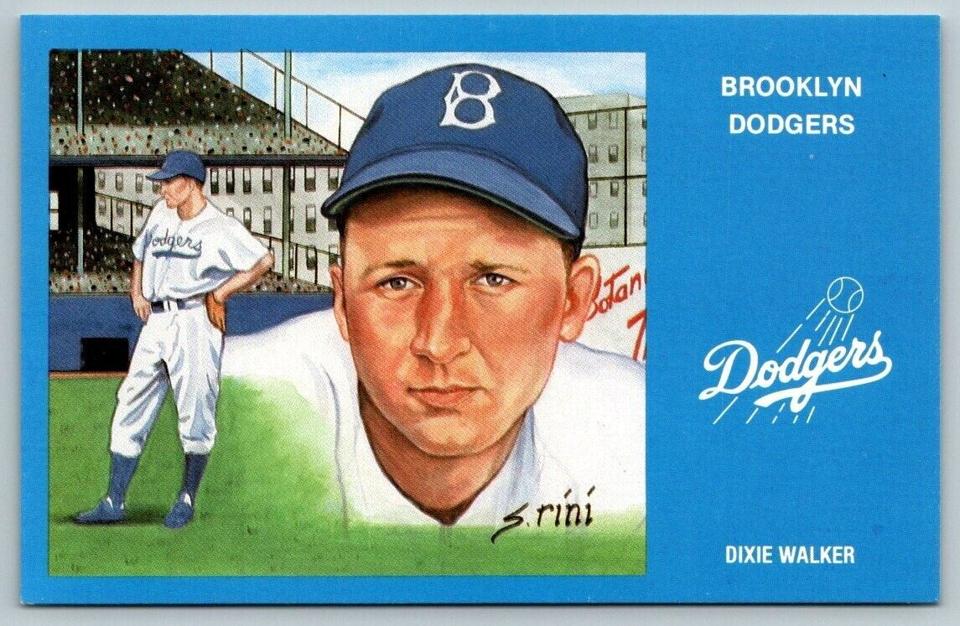
Occasionally a good player will just drop into a team's lap, and you wonder why his former team let him go. Fast forward to July 1939. The Tigers placed a 28-year-old outfielder who was hitting .305 on waivers. The Dodgers claimed the young man and he hit .280 for Brooklyn in 61 games the rest of the season. But for the next 8 years, that player was one of the Dodgers stars and contributed to pennant winners in 1941 and 47. His name was Dixie Walker. Over his 8 full seasons in Brooklyn, he never had a WAR lower then 3.3. He won the batting title in 1944 with a .357 mark. He led the league in RBIs in 45 with 126. As a Dodger he hit .311 for his career. He hit under .300 in a full season just once, 1942, .290. He was traded after the 1947 season, allegedly for leading the petition by players to have Jackie Robinson removed from the team. The Dodger received Preacher Roe, Gene Mauch and Billy Cox in that deal. The trade benefitted the Dodgers more than the Pirates. Roe and Cox were major parts of three pennant winning teams.
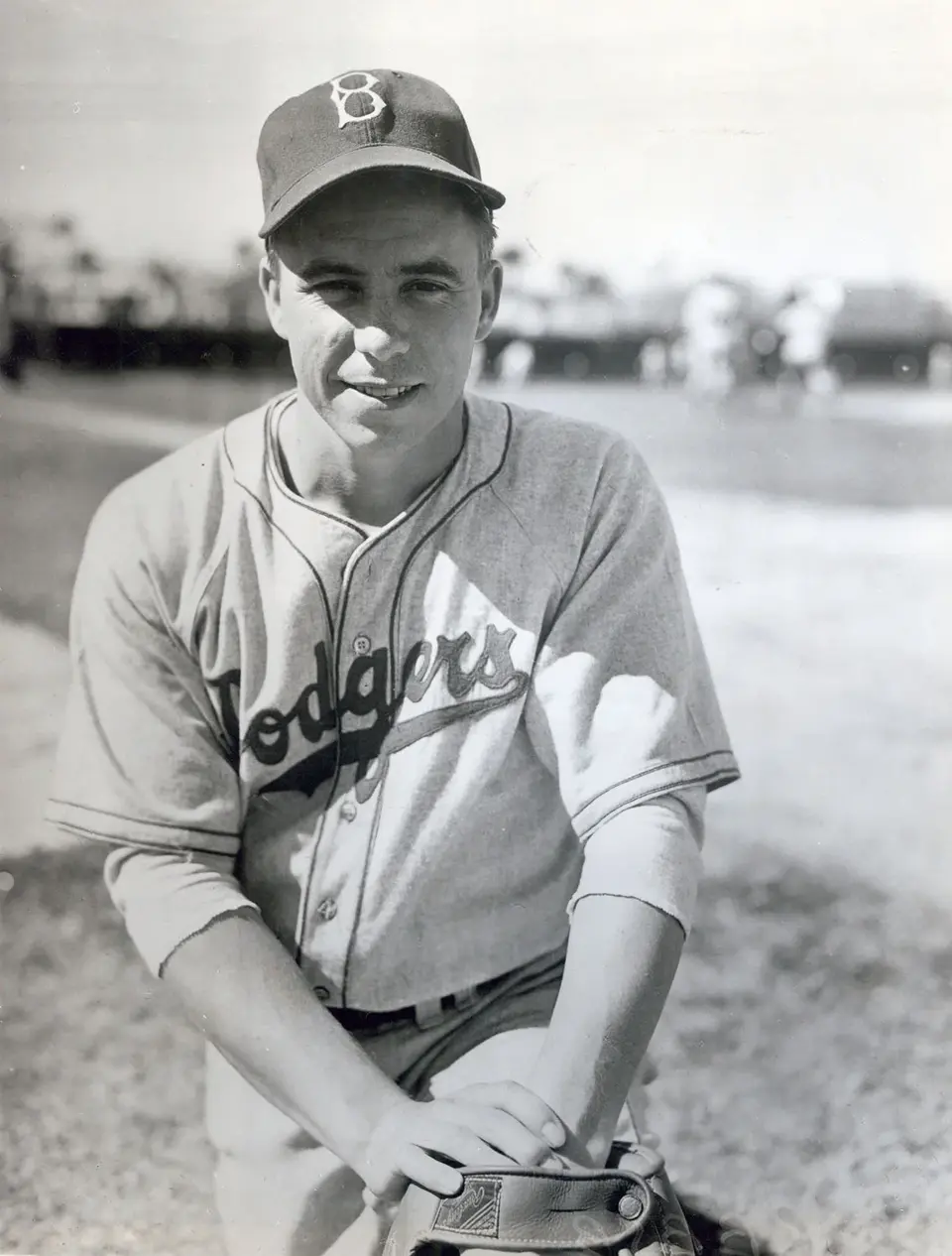
Amazingly, just a few days before Walker joined Brooklyn, they made a trade with the Boston Red Sox sending 35,000 dollars in cash and players to be named later to the Sox for one Pee Wee Reese. Reese would not join the Dodgers until 1940, replacing Leo Durocher at SS. But Reese would be a Dodger for 16-years and be elected to the Hall of Fame. He played on seven pennant winning teams. He was the captain of the team for many years. Neither of the players he was traded for, Red Evans, a pitcher, and Art Parks an outfielder, ever played for Boston. Really bad trade.
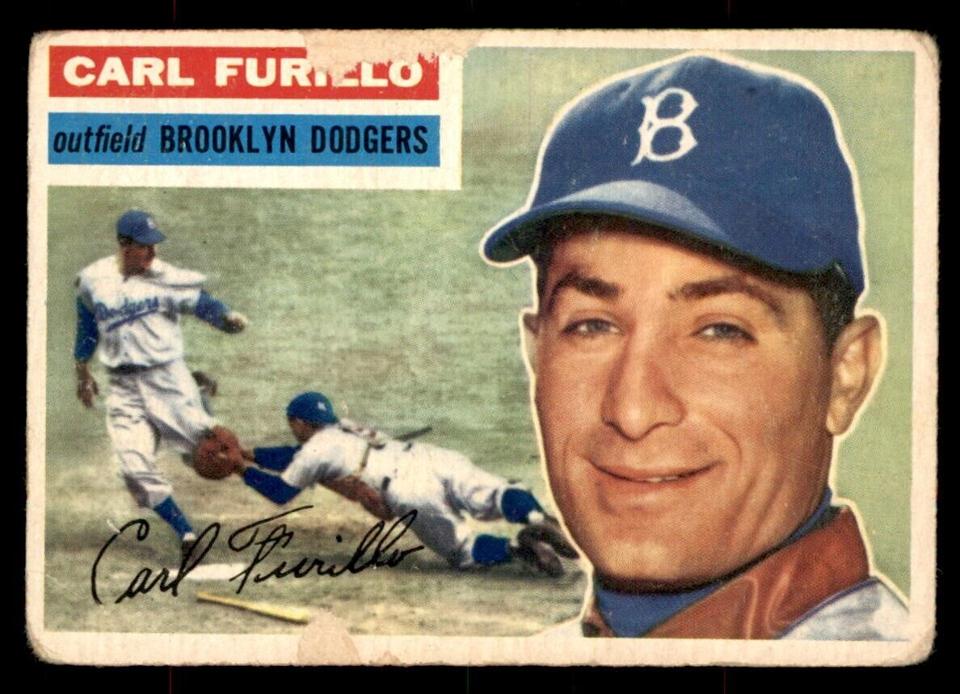
There is another player acquisition made by the Dodgers that always fascinated me. In 1940, a young outfielder from Stony Creek Mills Pennsylvania signed with the Reading Chicks of the Interstate League. While playing there, he earned the nickname, "the Reading Rifle". The Brooklyn Dodgers were sufficiently impressed with his abilities enough to purchase the entire franchise. After playing the entire 1941 season with the Reading Brooks, who were renamed after the Dodgers bought them, he played for Montreal in 1942, hitting .281 in 1129 games. Montreal was a AA team at the time. He spent the next three years in the United States Army and was stationed in the Pacific Theater of war. He earned three battle stars and a Purple Heart for being wounded. In 1946, he was called up to the Dodgers and would play for them for 15 years. Who was this guy that they felt was worth buying an entire franchise? Some probably have guessed that it was Carl Furillo, possessor of one best right field arms ever in team history.
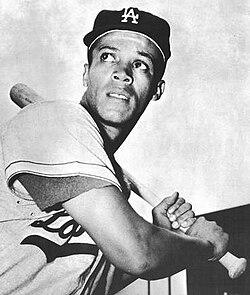
When the Dodgers moved to Los Angeles, they were an aging team. Reese, Hodges, Snider, Furillo, Newcombe, Erskine, Rube Walker, and Labine were all still on the team. The one position where they were young was starting pitcher. Danny McDevitt and Johnny Podres were the old men at 25. Drysdale and Williams were 21 and Koufax was 22. 1958 was Reese's last year. So, the question was who was going to be the SS in 1959? Don Zimmer, who would turn 28, had played most of the games there in 1958, so he was the obvious choice. Sometimes, things do not work out the way one thinks they should. In 1951, the Dodgers had signed an 18-year-old infielder out of Washington DC and started him at Hormell in the Class-D Pony League. He was taken by the Reds in December of 1956 in the minor league draft. Just before the 1958 season, the Reds sent him back to LA. The type of transaction is unknown. On October 13th of 58, he was sent to Detroit conditionally. On April 2nd, 1959, he was returned to the Dodgers, even after he had an excellent spring with the Tigers. Bob Lillis started the 59 season at SS but struggled. Zimmer took over and then broke his toe in June. On June 6th, the now 26-year-old Maury Wills made his MLB debut for the Dodgers. He would help spark the team to a pennant and World Championship. He would win an MVP award in 1962, break the MLB record for stolen bases with 104, and was a main piece in World Championships in 63 and 65. Sometimes you just get lucky that the player gets returned to your organization at just the right time.
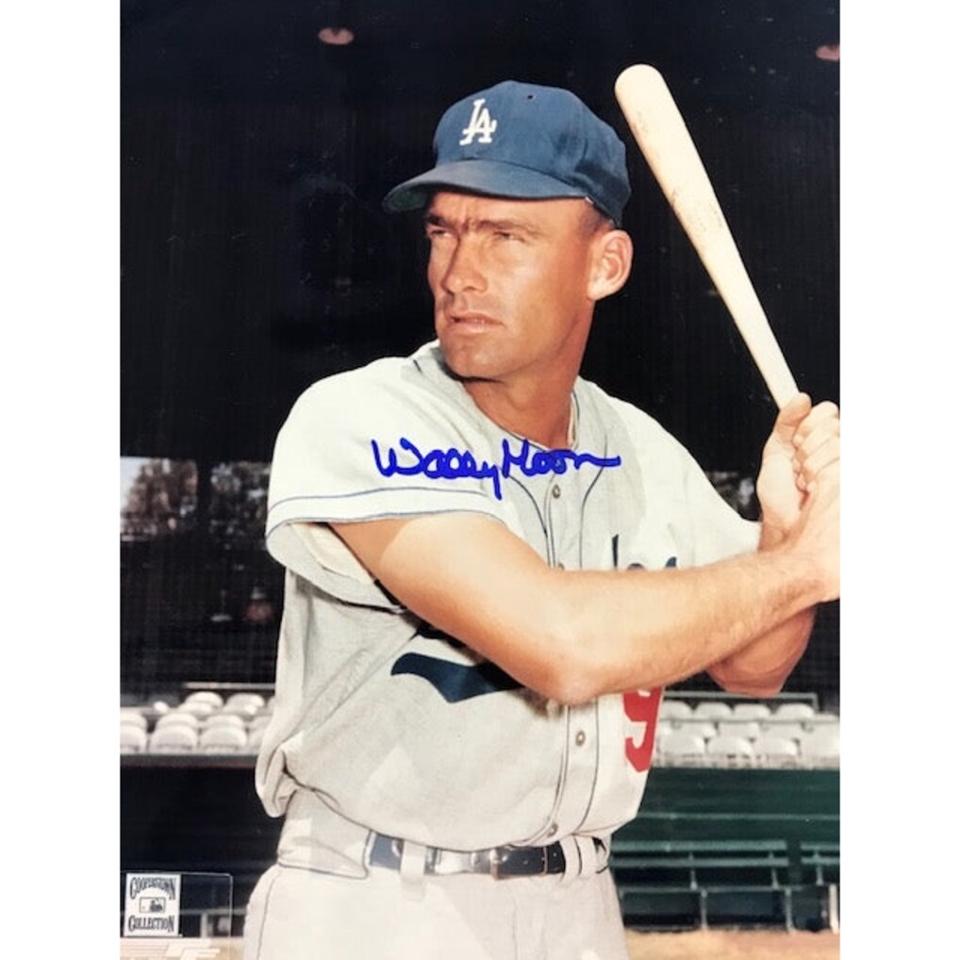
Two trades they made in 1959 worked for at least one of the teams. The trade for Wally Moon, sending Gino Cimoli to the Cardinals worked out well for the Dodgers. Cimoli would only play 1 season in St. Louis, Moon played in LA until 1965. In another trade, the Dodgers sent Jim Gentile to the Orioles for Willy Miranda and Bill Lajoie. Gentile played in Baltimore for 4 seasons and slugged 124 homers while there. Miranda never played for the Dodgers and Lajoie spent 60 and 61 in the Dodger minor league system.
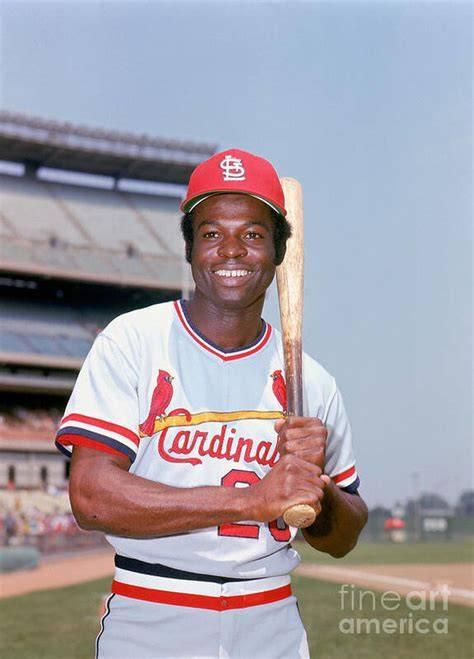
The 60's saw some trades made in the majors that fans who were around then still often talk about. On June 15th, 1964, the Cubs traded Lou Brock, Paul Toth and Jack Spring to the Cardinals for Ernie Brolio, Bobby Shantz and Doug Clemens. At the time, Brolio had been one of the better pitchers in the NL from 60-63 winning 70 games over that span. Brock was 25 and just starting to show some promise. The two players besides Brolio the Cubs received, Shantz, who was 38, and Clemens, an infielder, spent just one, and two years respectively with Chicago. Brock on the other hand, hit .348 after the trade with 33 bags, 12 homers, 44 RBIs and helped the Cardinals win the pennant. He then helped them beat the Yankees in the World Series and also was a member of the 67-68 teams that beat Boston but lost to the Tigers. He would go on to a Hall of Fame career. Brolio never was the same pitcher and was out of the game by 1966. Really bad trade.
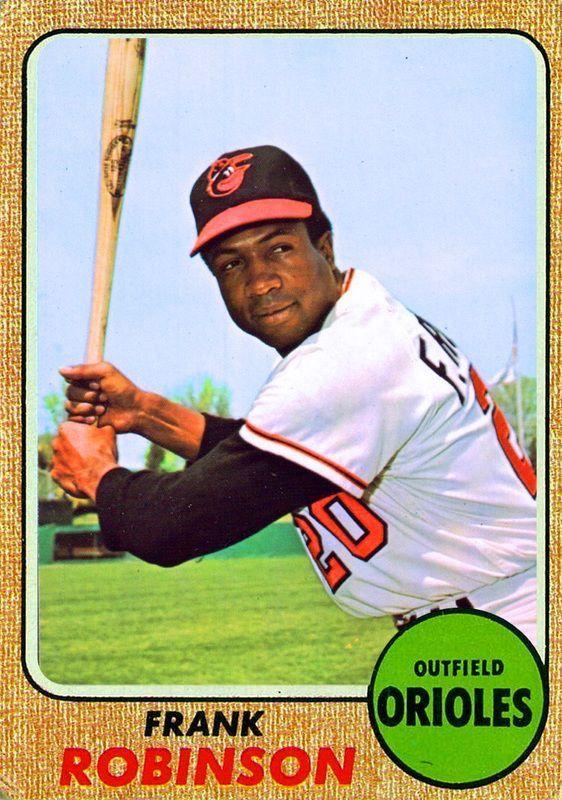
About a year and a half after Brock went to the Cardinals, the Reds GM, Bill DeWitt, decided that his right fielder was past his prime and the Reds needed a good starting pitcher. So, he traded the 29-year-old right fielder to the Orioles for 3 players, Jack Baldshun, Dick Simpson and Milt Pappas. The right fielder was Frank Robinson, who was the 1956 rookie of the year and had been with the Reds for ten years. He had slugged 324 homers in Cincy and driven in over 1000 runs. Robinson responded with a triple crown year in Baltimore. He hit .315/49/122. He scored 122 runs to lead the league, and he led the AL in every major stat, including total bases. He helped the Orioles win their first title with a sweep of the Dodgers. He played 21 years, including 1 in LA, became the majors first Black manager, and had a Hall of Fame career. What did the Reds get? Baldshun went 1-5 in Cincy in 2 years, Simpson played in 131 games over two seasons and Pappas was 30-29 in parts of 3 years with the Reds. Really bad trade since Robinson spent 6 years as an Oriole, and even though he never again came close to 66, he was a part of four pennant winning teams in Baltimore, two of which one the whole thing.
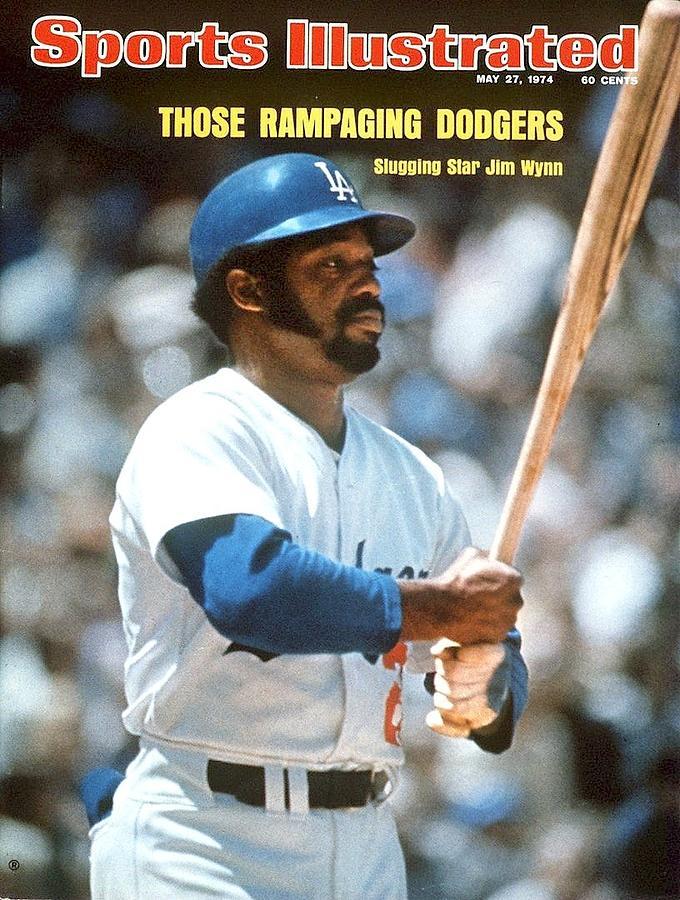
After losing the 1966 World Series, it would be eight years before the Dodgers made it back to the World Series. The main reason they got there was because in the late 60's they drafted well. The 68 class was especially good. One trade they made in the winter of 1973 helped them win. They sent veteran pitched Claude Osteen and a minor leaguer to the Astros for Jim Wynn, "The Toy Cannon". Wynn's excellent season combined with Steve Garvey's MVP season, and major contributions by the other members of that 69 draft class, helped LA win the division and then the pennant. Wynn actually walked more times in 74 than he struck out. Another trade prior to the 74 season also paid dividends. Willie Davis was traded to Montreal for reliever Mike Marshall. He would win the Cy Young and set a record for games pitched with 106. They lost the series, but all of the games were low scoring and tight.
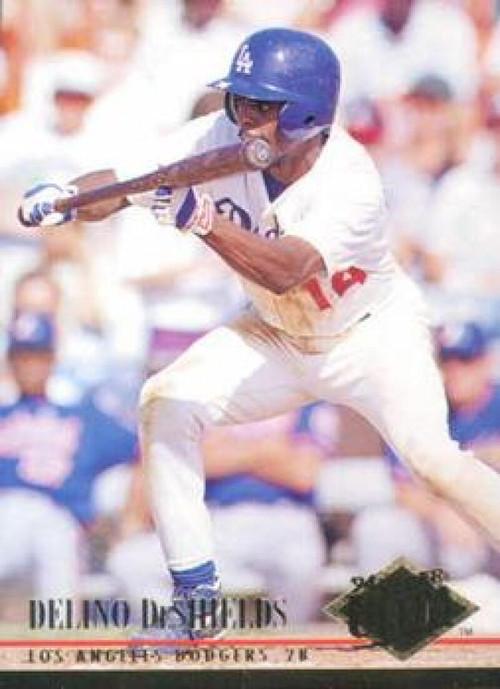
Through the rest of the 70's and 80's, LA did not make many trades that impacted the team's performance. Most of the major impact came from free agents who either worked out or did not. I did think the trade they made for John Tudor in 1988 was not a good deal. Pedro Guererro was a solid power bat and Tudor only pitched for LA that year, Pedro spent 4 and a half years with the Cardinals. In the winter of 1993, the Dodgers had a dilemma, They had offered their incumbent 2nd baseman, Jody Reed, a multi-year contract and it had been rejected. They had no in organization replacement available, so the easiest was to fix the problem was via a trade. The trade made by the then GM, Fred Claire, has been debated ever since with most of the tirade against the deal. On November 19th Claire traded 21-year-old RHP Pedro Martinez to the Expos for 2nd baseman, Delino DeShields. DeShields was just 24 at the time himself coming off of a season where he hit .295 and stole 43 bases. He also walked more than he struck out.
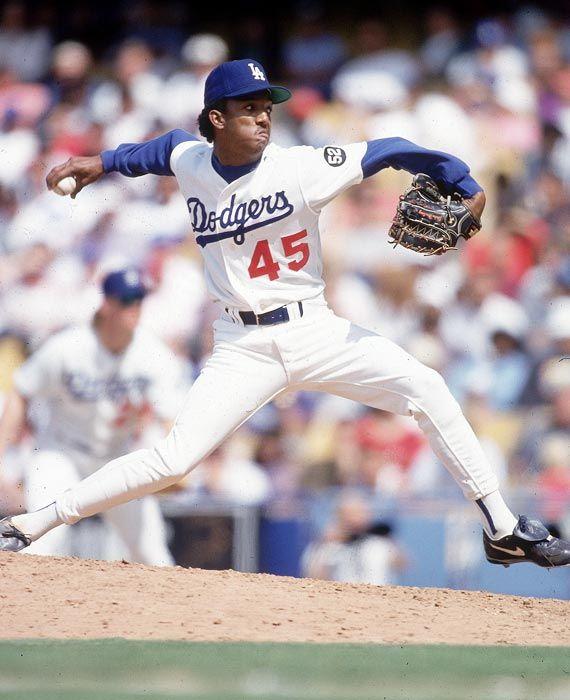
There has always been a story going around that one of the reasons Martinez was traded was because manager Tommy Lasorda thought he was too small in stature to be a starting pitcher. He was coming off of a season in which he went 10-5, 2.61. 45 of his 60 appearances came out of the pen. In Montreal, he would become a starting pitcher and go on to a Hall of Fame career with 3 Cy Young awards. He would pitch for 18 years, only 4 in Montreal where he went 53-35 3.06. DeShields would play for LA for 3 seasons batting just .241. He did steal 111 bases but was not close to the player he was in Montreal. He rediscovered himself in St. Louis, but he was out of baseball at age 33. This trade was a trade of need for both teams. And on paper, it makes perfect sense as it did at the time. LA thought they were getting one of the best young players in the game. Also 94 was a strike shortened season as was 95, so there was that factor. The trade seems more lopsided now than it did then simply because of the numbers Martinez put up not in Montreal, but in his 9 seasons in Boston. Made sense at the time, not so much now.
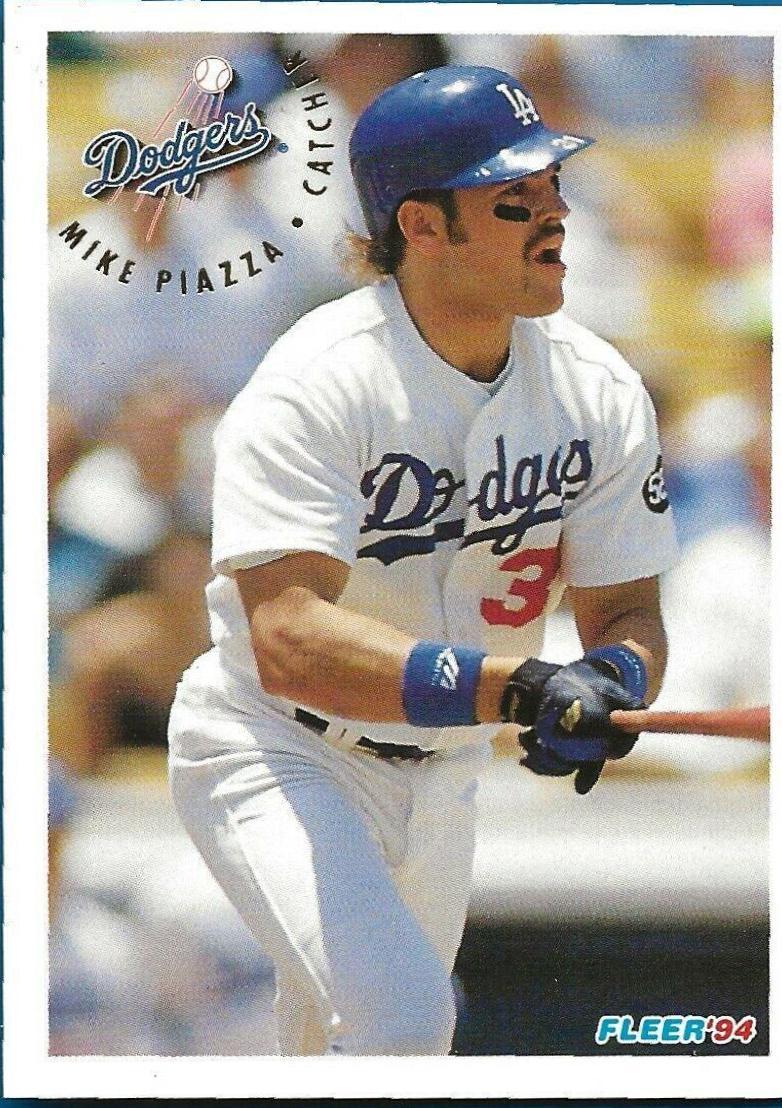
In the winter off 1997, Peter O'Malley had decided to sell the Dodgers since his children had no interest in running the team and the inheritance tax in California is outrageous. He sold the team to Billionaire Rupert Murdoch's Fox corporation. Some company execs joined the team to oversee operations. There was some drama surrounding the team because star catcher, Mike Piazza, who was entering his free agent season, had turned down the Dodgers multi-year deal and wanted a 100-million-dollar contract. At least that was what was reported. When the season got underway, Piazza was still with the team.
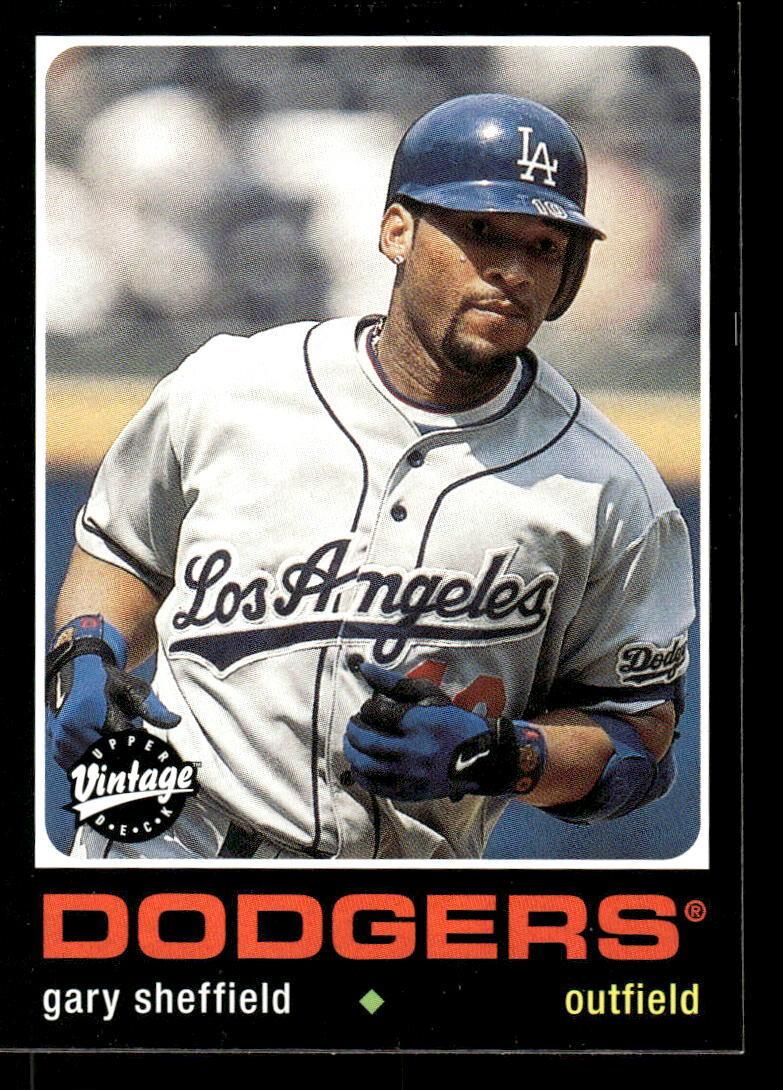
On May 14th, Fox execs completed a trade sending Piazza and 3rd baseman Todd Zeile to the Marlins for Gary Sheffield, Bobby Bonilla, Jim Eisenreich, Charles Johnson and Manuel Barrios. Dodger fans were stunned, as was most of baseball. Fox execs did the trade without consulting the GM at the time, Fred Claire. Since that day, most Dodger fans have considered it one of the worst in Dodger history. That was 28 years ago. Let us re-examine the results. LA got 1 year from Johnson, Bonilla and Eisenreich. Barrios never played for LA. Miami got 5 games out of Piazza and 66 from Zeile. Both were traded away. For Piazza they got Preston Wilson, Ed Yarnall and a minor leaguer. They got 2 minor leaguers from the Rangers for Zeile. The Dodgers got a little something back when they traded Johnson after 98, getting Todd Hundley from the Mets.
Wilson had 3 okay seasons with the Marlins, but nowhere near the kind of production Piazza gave the Mets. The other two players never played for Miami. Neither did the two they got for Zeile, who played until 2004. The real loser of the trade was Miami. The Dodgers got 102 games out of Johnson, who hit 12 homers and drove in 35. He was okay defensively and threw out 43.5% of runners trying to steal. Bonilla played in 72 games; he did not hit well and was a disaster at 3rd making 12 errors. Eisenreich had a totally forgettable stint in LA. The Dodgers got 526 games from Sheffield who slashed .312/129/367. Better numbers than he put up in Miami in 6 seasons. Looking back, the trade worked out much better for the Dodgers than it did the Marlins. Miami lost on both ends of the Piazza deal, but for them, it was more of a salary dump. They had no chance of signing Mike after the season; their payroll was high after the World Series win in 97 and ownership needed some relief. The Mets got 8 years from Piazza, a couple of division championships and a trip to the 2000 World Series. Piazza put up HOF numbers and went in as a Met.
Some Trades That Made Little Sense to Me: Don't get me wrong, for the most part, I have always liked most of the move's AF has pulled off. But once in a while I have scratched my head and wondered WHY? I can understand replacing an injured player or needed depth at a certain position. I can even understand some of his waiver wire pickups. Still, some have left me scratching my head. Buddy Kennedy: waiver claim, August 2025. Played 7 games in LA, hit .059. Gets a Championship ring for being on the team during the 25 season. Also played for AL champ Toronto in 25. Amed Rosario: trade July 2024. Second time in 2 years AF traded for him in July. Played just 5 games, was picked up by the Reds on waivers August 18th, 20 days after the trade.
Although they did not give up much for him, the Shelden Neuse trade was awful. 33 games, .162 BA. The trade for Tyler White in 2019 is head scratching. White had been ok with Houston in 18 when he hit .279 and had 12 homers. He was hitting .222 when he was traded to LA for Andre Scrubb, a minor league pitcher. He went 1-22 with LA and was released. Scrubb wasn't much, but Houston at least got 38 games out of him in 20-21. Finally, Jedd Gyorko. Gyorko was traded for on the 31st of July 2019. Five days after White. Gyorko at least had a solid track record hitting double digit homers in six straight seasons. In LA though, he forgot how to hit and went 5-36 with no bombs. A .139 clip. He rediscovered his power a little in 2020 with the Brewers homering 9 times in his final season. Oddly, the most productive infielder they added that year was Kristopher Negron who hit .259/2/7 in 30 games.
Well, those are some of the best and worst. What are your choices?
Discussion (0)
Disagree, not disagreeable
Be the first to weigh in.
Disagree, but don't be disagreeable.
Join the discussion