
can baseball survive another work stoppage?
Fans will be pissed, for a while. The longer the lockout lasts, the harder it will be become for teams to recover from it. Especially the smaller market teams who really have no shot at competing. It is going to be very hard for owners to plead poverty considering the amount of money that has been given to players over the last several days.
The CBA expires on December 1. Almost all baseball pundits agree that the owners will then lock the players out. The meetings between the parties will carry on until Thanksgiving, then they only have a couple of days to negotiate before the deadline. Although there have been agreements on minor league issues, the floor and the cap remain the sticking points.
So let us take a look at the history of work stoppages or strikes. 1972 was the first. Players wanted salary arbitration and improvements in the pension. Lasted 13 days, 86 games were cancelled. Owners conceded and players got their way.
1973 lockout: No games lost. Owners delayed spring training over salary arbitration. The new CBA defined the process, and spring training resumed. 1976 lockout: 17 days, spring training only. Response to Curt Flood's lawsuit. That led to the free agency era.
1980 strike: 8 days, no games lost, dispute over CBA terms. 1981 strike: 50 days, 713 games cancelled. Salary arbitration and CBA terms, one of the more damaging in MLB history. The NL team that won the most games, the Reds, did not make the playoff cut.
1985 strike: Lasted 2 days, dispute over CBA provisions. 2 games were made up. 1990 Lockout: Dispute over CBA terms and player benefits. 32 days. Opening day delayed a week. 1994-95 strike: Most damaging in MLB history. 232 days, 938 games and the 94 World Series cancelled. Owners wanted a salary cap. Strike ended April 2, 1995, after a federal injunction. 2021-22 lockout: 99 days, no games cancelled, owners locked out players after CBA expiry. Settled on March 22, 2022.
The 81 strike strengthened the players unions power. The 94-95 strike cost the owners 580 million dollars in lost revenue, and the players 230 million in lost salaries. 21-22 was the first in 26 years, preserved full season, but delayed opening day.
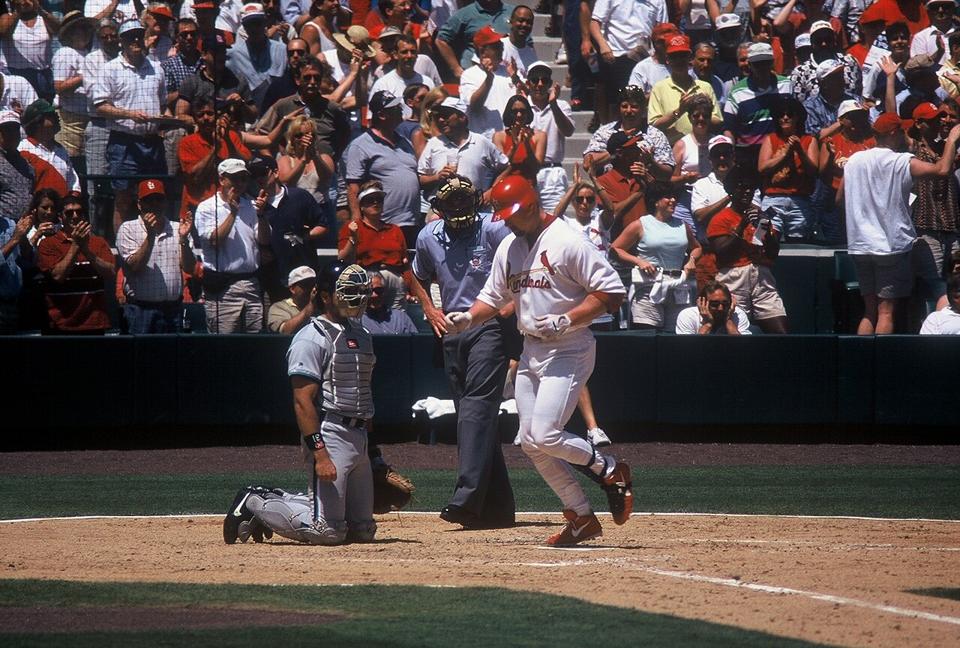
The 1981 strike did not affect the Dodgers attendance in 82; they pulled over 3,000,000 fans and were #1 in attendance. In 1982 MLB drew 29.5 million fans, a very quick recovery. 94-95 was a different story. Attendance in 95 was down 20%. Fans were reluctant to return to the ballpark. The use of replacement players had also alienated some fans. It was 1998 before significant improvement was seen. One of the reasons was the race between Sammy Sosa of the Cubs and Mark McGwire of the Cardinals who were locked in a historic home run hitting race. McGwire would hit 70, Sosa hit 66 but had more RBIs 158 to McGwire's 147.
What can we expect if the owners lock the players out this time? 20 teams drew more than 2 million fans, five drew 3 million or more. The Dodgers were the only team with over 4 million fans drawn to Dodger Stadium. They drew an additional 2.6 million fans on the road.
Fans will be pissed, for a while. The longer the lockout lasts, the harder it will be become for teams to recover from it. Especially the smaller market teams who really have no shot at competing. It is going to be very hard for owners to plead poverty considering the amount of money that has been given to players over the last several days. The Mets payroll has skyrocketed; they are far and away the team with the highest payroll. The Cubs gave spent over 200 million dollars in the last 24 hours.
Baseball will eventually win some fans back. Some others might become fed up with the whole process. We all know that the MLBPA is never going to agree to a cap.
Discussion (0)
Disagree, not disagreeable
Be the first to weigh in.
Disagree, but don't be disagreeable.
Join the discussion